Applying to KAUST - Your Complete Guide for Masters & Ph.D. Programs (Upcoming Admissions)
Admissions Overview & Key Requirements

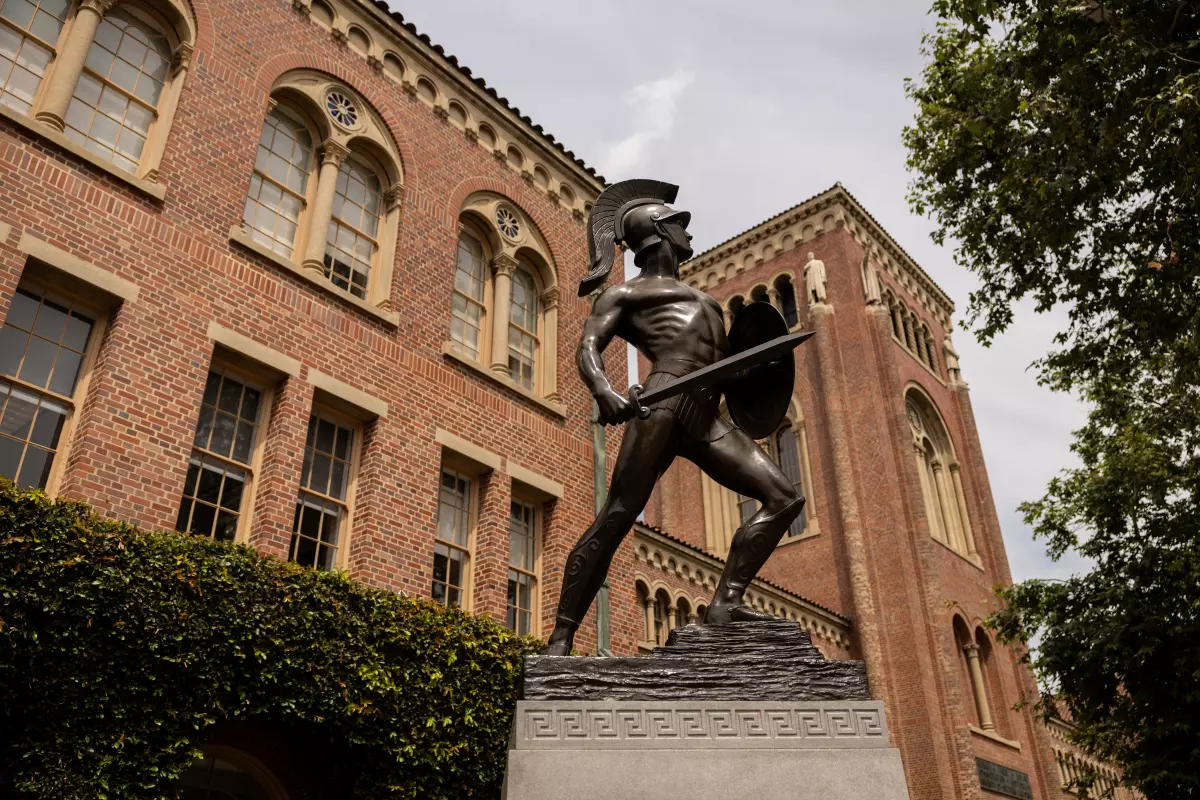
According to Los Angeles Times, the gift is one of the largest in USC’s history will fund faculty recruitment, interdisciplinary research, and the integration of AI into fields ranging from medicine to film. As part of the donation, USC’s School of Advanced Computing will be renamed the USC Mark and Mary Stevens School of Computing and Artificial Intelligence.
University leaders say the investment comes at a pivotal moment as AI rapidly moves beyond research labs into everyday applications. USC President Beong-Soo Kim described the initiative as an effort to position the university as a national hub for AI-driven scholarship.
“It’s that intersection between AI and these other fields that we think is a perfect fit for USC,” Kim said, emphasizing the goal of applying AI for “positive societal impact.”
The funding will support hiring not only AI specialists but also experts in disciplines such as healthcare, cybersecurity, national security, business, and entertainment areas where USC already has established strengths. In medicine, for example, university researchers are using AI to study diseases like Alzheimer’s at a cellular level and to accelerate drug discovery.
The donation reflects a broader national trend of major philanthropic investments in artificial intelligence at universities. In recent months, institutions including the University of Texas at Austin and the University of Wisconsin–Madison have received nine-figure gifts aimed at expanding AI programs and infrastructure.
Stevens, a longtime USC trustee, has previously contributed tens of millions to the university, including funding innovation and neuroimaging institutes. He said the latest gift underscores the urgency for academic institutions to keep pace with AI advancements, many of which are increasingly driven by private industry rather than academia.
Still, the rapid expansion of AI on campuses has sparked debate. Some faculty and students have raised concerns about the technology’s potential impact on human creativity, critical thinking, and the future of work.
Despite those concerns, USC leaders argue that embracing AI across disciplines is essential to remaining competitive—and to shaping how the technology is used in society.
Share
Applying to KAUST - Your Complete Guide for Masters & Ph.D. Programs (Upcoming Admissions)
Admissions Overview & Key Requirements

An mRNA cancer vaccine may offer long-term protection
A small clinical trial suggests the treatment could help keep pancreatic cancer from returning

Registration Opens for SAF 2025: International STEAM Azerbaijan Festival Welcomes Global Youth
The International STEAM Azerbaijan Festival (SAF) has officially opened registration for its 2025 edition!
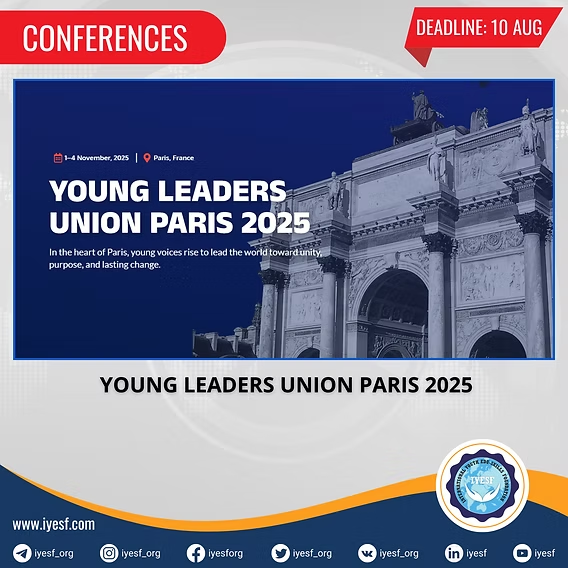
Young Leaders Union Conference 2025 in Paris (Fully Funded)
Join Global Changemakers in Paris! Fully Funded International Conference for Students, Professionals, and Social Leaders from All Nationalities and Fields

Yer yürəsinin daxili nüvəsində struktur dəyişiklikləri aşkar edilib
bu nəzəriyyənin doğru olmadığı məlum olub. Seismik dalğalar vasitəsilə aparılan tədqiqatda daxili nüvənin səthindəki dəyişikliklərə dair qeyri-adi məlumatlar əldə edilib.

Lester B Pearson Scholarship 2026 in Canada (Fully Funded)
Applications are now open for the Lester B Pearson Scholarship 2026 at the University of Toronto!