
Applying to KAUST - Your Complete Guide for Masters & Ph.D. Programs (Upcoming Admissions)
Admissions Overview & Key Requirements

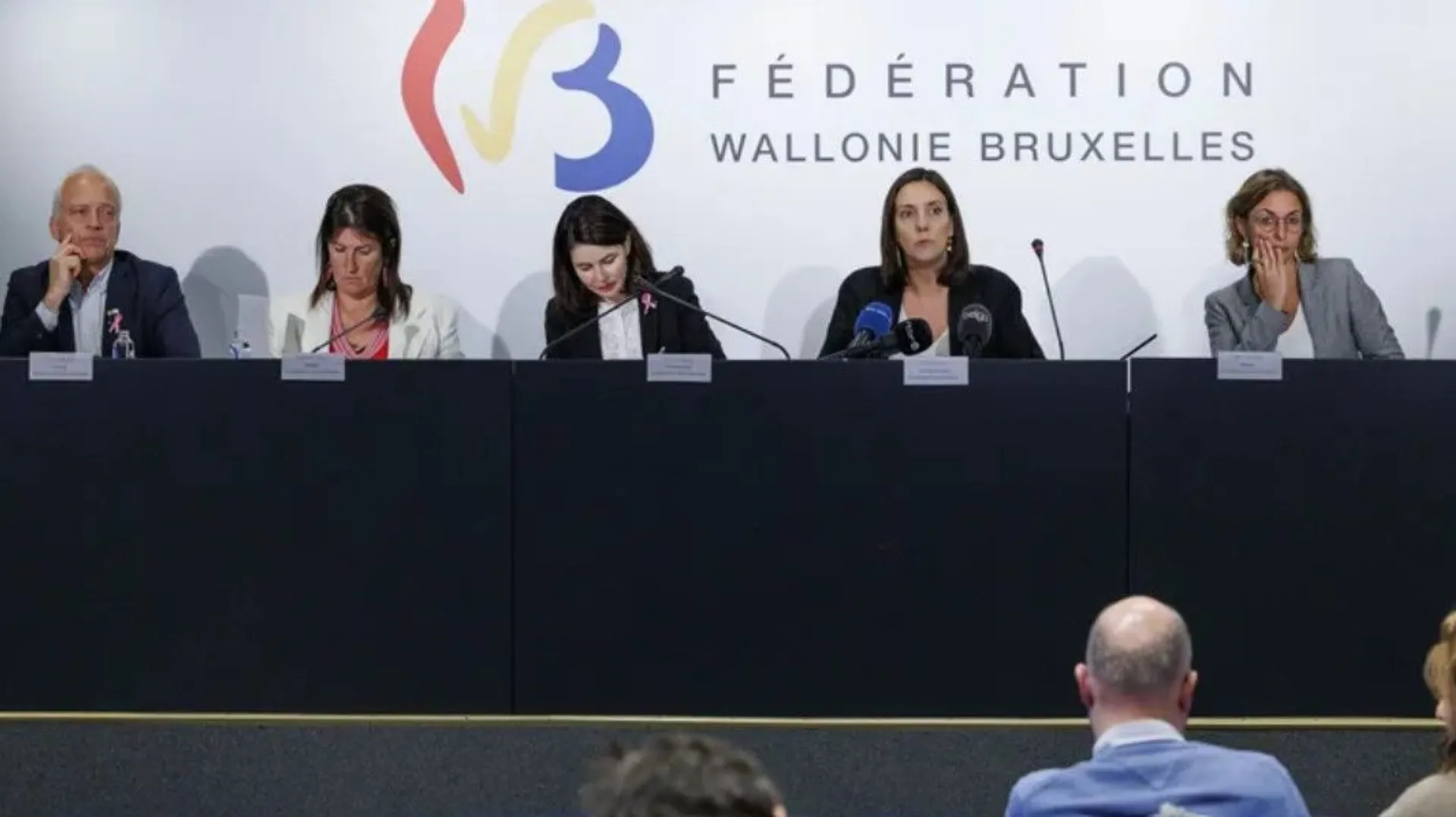
After three weeks of intense budget negotiations, the Wallonia-Brussels Federation (FWB) government has finalized a comprehensive austerity plan to tackle its soaring debt, estimated at over €14.25 billion. The government has agreed on achieving €500 million in structural savings by 2029, with immediate cuts of nearly €260 million required for 2026 alone.
The savings package, which impacts education, culture, early childhood, and public services, is centered on making public employees work longer, raising fees on families, and freezing state support to keep up with inflation.
The most immediate and controversial change affects university students, as the government is ending the 14-year freeze on tuition fees, known as the minerval. The policy is designed to reduce the FWB's financial contribution to universities while compelling students to contribute more.
Starting in the academic year 2026-2027, the standard full tuition fee will dramatically increase from the previous maximum of €835 to a new cap of nearly €1,200. The increase is attributed to the removal of indexation (inflation adjustment) since 2011.
The fee structure for Belgian students will become progressive, expanding into four tiers. Scholarship Students will continue to be exempted from tuition fees, while the low-income student status, which sets tuition fees at €375, will be expanded. A new Intermediate Status tier, set at €835, will be introduced for middle-income families based on tax returns. Finally, the majority of students, estimated at 58%, will pay the new €1,194 full rate.
To achieve the targeted €86.7 million in education savings, the government is implementing immediate changes to teacher contracts and benefits.
The early childhood sector, including subsidized nurseries (crèches), will face €74 million in cuts, representing a 10% reduction on its annual budget. The primary mechanism is the non-indexation of all subsidies given to approved operators working with the ONE (Office for Birth and Childhood). This means the grants will not increase to cover rising costs due to inflation.
The Culture sector will be cut by €12.9 million. Like other sectors, the main measure is the non-indexation of all subsidies for cultural actors, libraries, and permanent education centers, effectively reducing their real operating budget. Furthermore, the government will impose a moratorium on new recognitions, halting expansion for new cultural centers and facilities. Finally, subsidies for youth organizations and archive centers directly linked to political parties will be eliminated by the end of 2026.
The public administration for sports, ADEPS, will increase the price of its courses and camps by 10% to generate new revenue. Moreover, while funding for Youth Assistance will be maintained, it will be limited by a freeze on subsidy recalculations and a moratorium on new accreditation requests for youth centers. Meanwhile, €1.5 million will be cut from scientific research, with the annual subsidy to the National Fund for Scientific Research (FRS – FNRS) reduced until 2029.
Share
Applying to KAUST - Your Complete Guide for Masters & Ph.D. Programs (Upcoming Admissions)
Admissions Overview & Key Requirements

An mRNA cancer vaccine may offer long-term protection
A small clinical trial suggests the treatment could help keep pancreatic cancer from returning

Registration Opens for SAF 2025: International STEAM Azerbaijan Festival Welcomes Global Youth
The International STEAM Azerbaijan Festival (SAF) has officially opened registration for its 2025 edition!
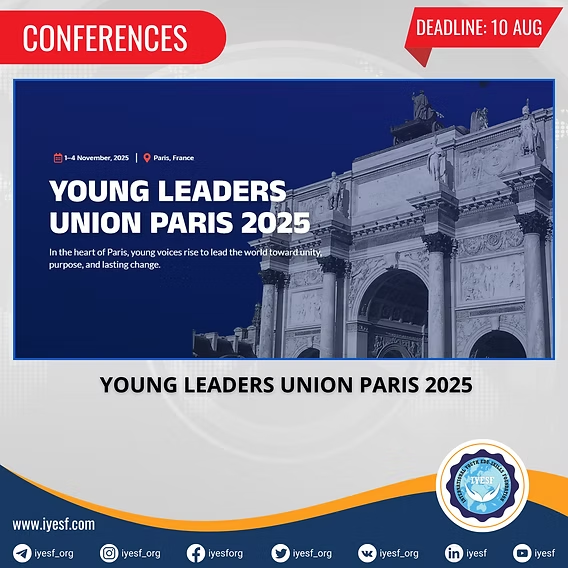
Young Leaders Union Conference 2025 in Paris (Fully Funded)
Join Global Changemakers in Paris! Fully Funded International Conference for Students, Professionals, and Social Leaders from All Nationalities and Fields

Yer yürəsinin daxili nüvəsində struktur dəyişiklikləri aşkar edilib
bu nəzəriyyənin doğru olmadığı məlum olub. Seismik dalğalar vasitəsilə aparılan tədqiqatda daxili nüvənin səthindəki dəyişikliklərə dair qeyri-adi məlumatlar əldə edilib.

Lester B Pearson Scholarship 2026 in Canada (Fully Funded)
Applications are now open for the Lester B Pearson Scholarship 2026 at the University of Toronto!