
Applying to KAUST - Your Complete Guide for Masters & Ph.D. Programs (Upcoming Admissions)
Admissions Overview & Key Requirements

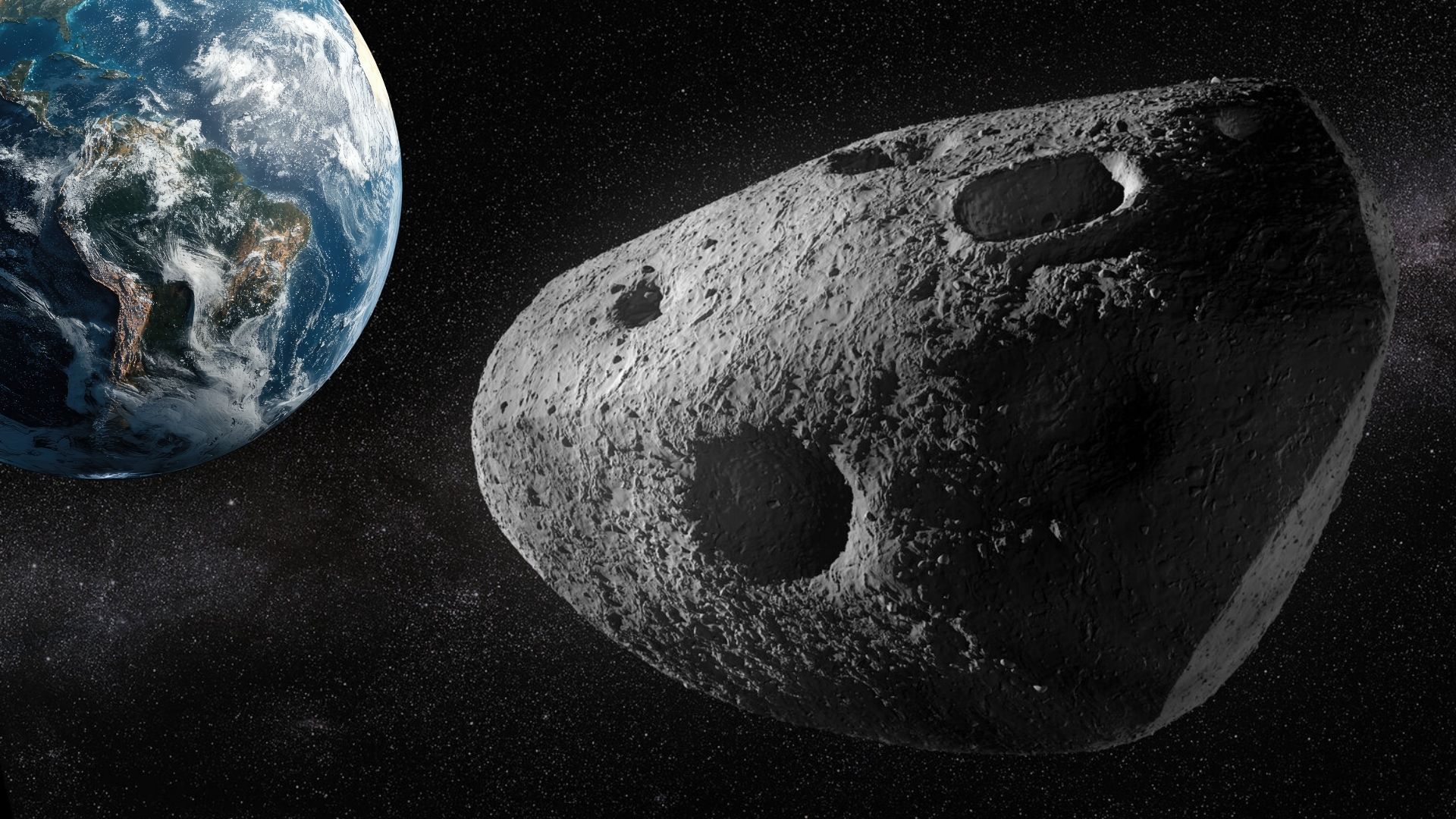
File: Space
According to NASA, Apophis will pass at a distance of about 20,000 miles (roughly 32,000 kilometers) from Earth’s surface. This is closer than some geostationary satellites orbiting the planet, making it a rare and important event for astronomers.
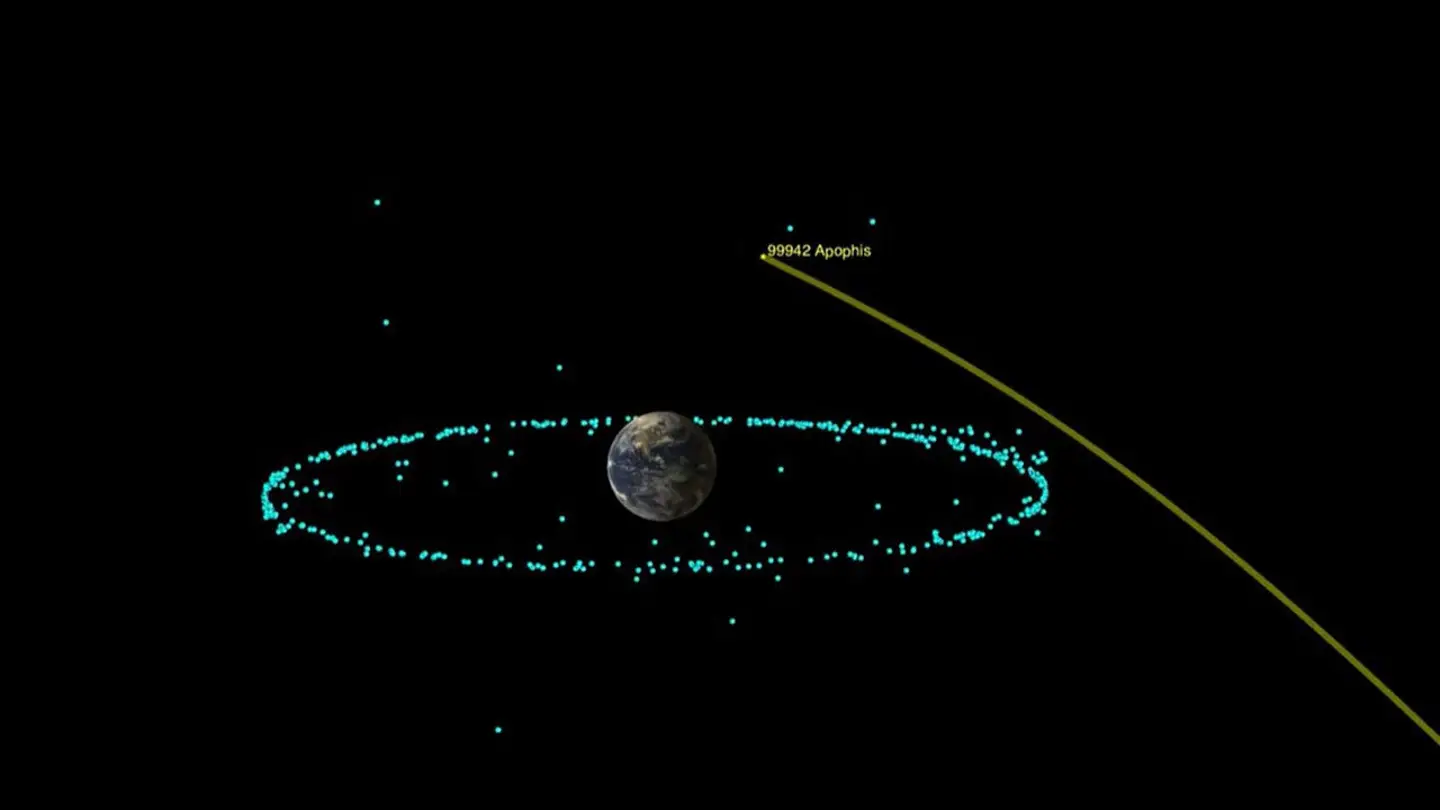
When it was first discovered in 2004, initial calculations suggested a possible risk of impact in 2029, 2036, or 2068, raising concern among scientists. However, years of precise observations using optical telescopes and radar data have since refined its orbit. NASA now confirms that Apophis poses no impact threat to Earth for at least the next 100 years.
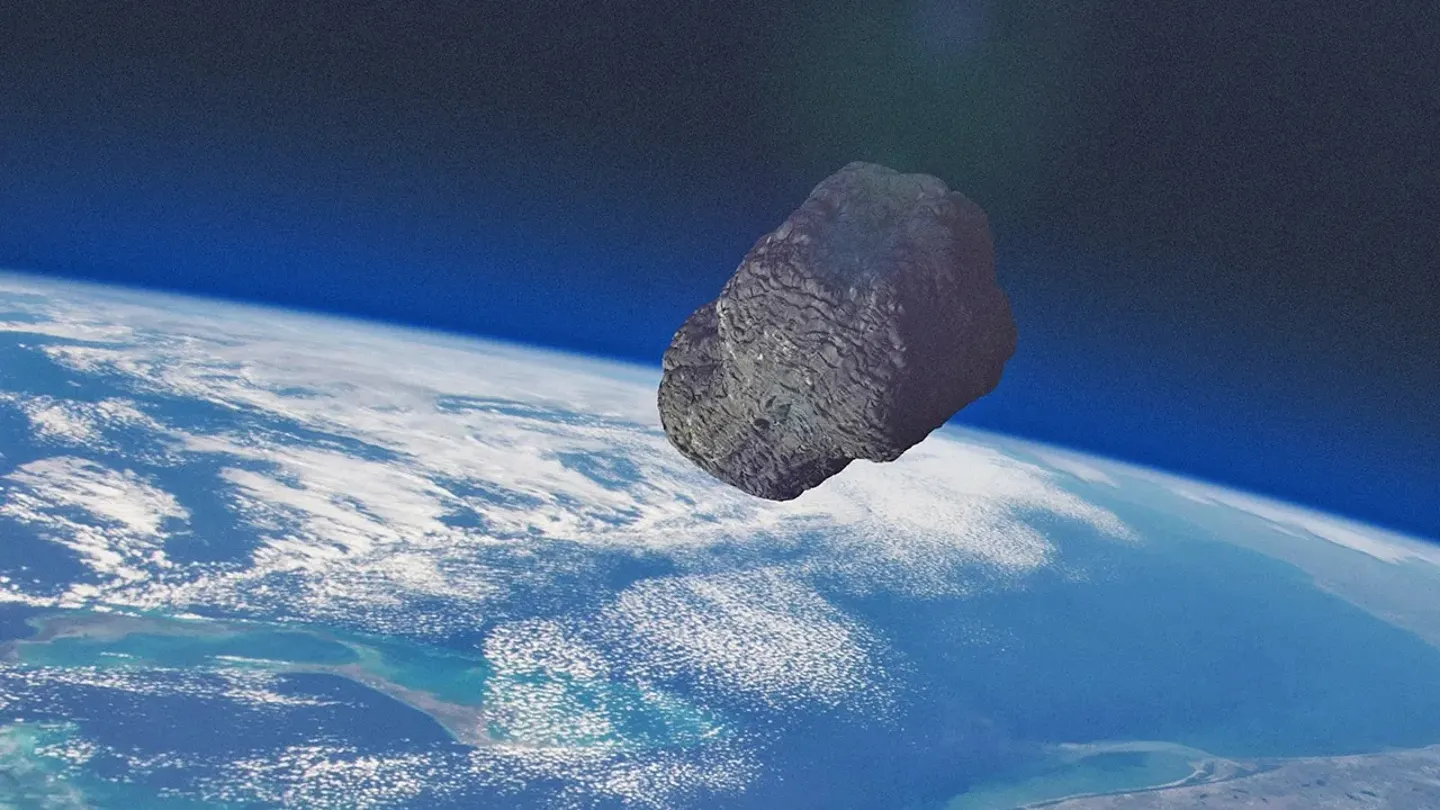
The asteroid was first detected at the Kitt Peak National Observatory in Arizona by astronomers Roy Tucker, David Tholen, and Fabrizio Bernardi. Early observations were limited due to technical and weather conditions, but later tracking campaigns provided enough data to accurately determine its path.
During its 2029 flyby, scientists around the world will closely observe Apophis to better understand its structure and composition. To support this, NASA has redirected the OSIRIS-REx spacecraft toward a new mission, renamed OSIRIS-APEX, which will study the asteroid after its Earth encounter. The European Space Agency is also preparing a mission to observe Apophis during its close approach.
If weather conditions allow, Apophis is expected to be visible without telescopes or binoculars from parts of the Eastern Hemisphere, making it one of the most remarkable astronomical events of the decade.
Share
Applying to KAUST - Your Complete Guide for Masters & Ph.D. Programs (Upcoming Admissions)
Admissions Overview & Key Requirements

An mRNA cancer vaccine may offer long-term protection
A small clinical trial suggests the treatment could help keep pancreatic cancer from returning

Registration Opens for SAF 2025: International STEAM Azerbaijan Festival Welcomes Global Youth
The International STEAM Azerbaijan Festival (SAF) has officially opened registration for its 2025 edition!

Young Leaders Union Conference 2025 in Paris (Fully Funded)
Join Global Changemakers in Paris! Fully Funded International Conference for Students, Professionals, and Social Leaders from All Nationalities and Fields

Yer yürəsinin daxili nüvəsində struktur dəyişiklikləri aşkar edilib
bu nəzəriyyənin doğru olmadığı məlum olub. Seismik dalğalar vasitəsilə aparılan tədqiqatda daxili nüvənin səthindəki dəyişikliklərə dair qeyri-adi məlumatlar əldə edilib.

Lester B Pearson Scholarship 2026 in Canada (Fully Funded)
Applications are now open for the Lester B Pearson Scholarship 2026 at the University of Toronto!