Applying to KAUST - Your Complete Guide for Masters & Ph.D. Programs (Upcoming Admissions)
Admissions Overview & Key Requirements

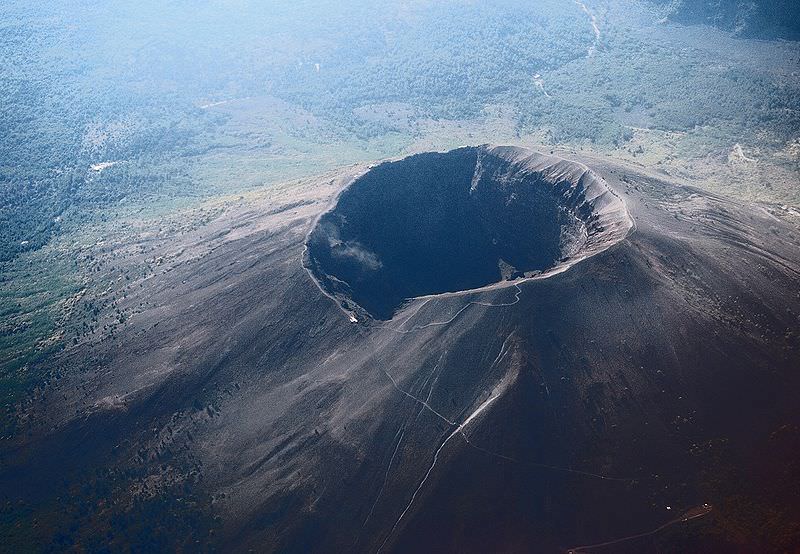
extinct volcano/ file: Universe Today
A volcano in Greece that lay quiet for over 100,000 years may not have been dormant after all, according to new research published April 22 in Science Advances. The findings suggest that some volcanoes long considered “extinct” could still be active deep underground, potentially reshaping how scientists assess volcanic risk.
Researchers studying the Methana volcanic system, located about 50 kilometers from Athens, discovered evidence that magma continued to develop beneath the surface even during long periods without eruptions. By analyzing tiny zircon crystals found in volcanic rocks, the team reconstructed a detailed timeline of the volcano’s activity spanning 700,000 years.
The study revealed two major eruptive phases, separated by a long quiet interval between roughly 280,000 and 168,000 years ago. Surprisingly, the highest production of zircon crystals occurred during this so-called dormant period, indicating that magma was still forming below ground despite the absence of eruptions.
Scientists believe water-rich magma may explain this prolonged silence. Under high pressure deep within Earth’s crust, water helps keep magma fluid. But as magma rises and pressure decreases, the water escapes as gas similar to opening a carbonated drink. This process can cause the magma to thicken and stall before reaching the surface, preventing eruptions.
The findings highlight that volcanic systems can remain active internally even when they appear inactive on the surface. This could have significant implications for how volcanoes are classified and monitored.
Experts say the research may help improve forecasts of volcanic hazards by focusing not just on eruption history, but also on underground processes such as magma chemistry. As a result, some volcanoes previously labeled as “extinct” may need closer observation in the future.
Share
Applying to KAUST - Your Complete Guide for Masters & Ph.D. Programs (Upcoming Admissions)
Admissions Overview & Key Requirements

An mRNA cancer vaccine may offer long-term protection
A small clinical trial suggests the treatment could help keep pancreatic cancer from returning

Registration Opens for SAF 2025: International STEAM Azerbaijan Festival Welcomes Global Youth
The International STEAM Azerbaijan Festival (SAF) has officially opened registration for its 2025 edition!
Young Leaders Union Conference 2025 in Paris (Fully Funded)
Join Global Changemakers in Paris! Fully Funded International Conference for Students, Professionals, and Social Leaders from All Nationalities and Fields

Yer yürəsinin daxili nüvəsində struktur dəyişiklikləri aşkar edilib
bu nəzəriyyənin doğru olmadığı məlum olub. Seismik dalğalar vasitəsilə aparılan tədqiqatda daxili nüvənin səthindəki dəyişikliklərə dair qeyri-adi məlumatlar əldə edilib.

Lester B Pearson Scholarship 2026 in Canada (Fully Funded)
Applications are now open for the Lester B Pearson Scholarship 2026 at the University of Toronto!