Applying to KAUST - Your Complete Guide for Masters & Ph.D. Programs (Upcoming Admissions)
Admissions Overview & Key Requirements

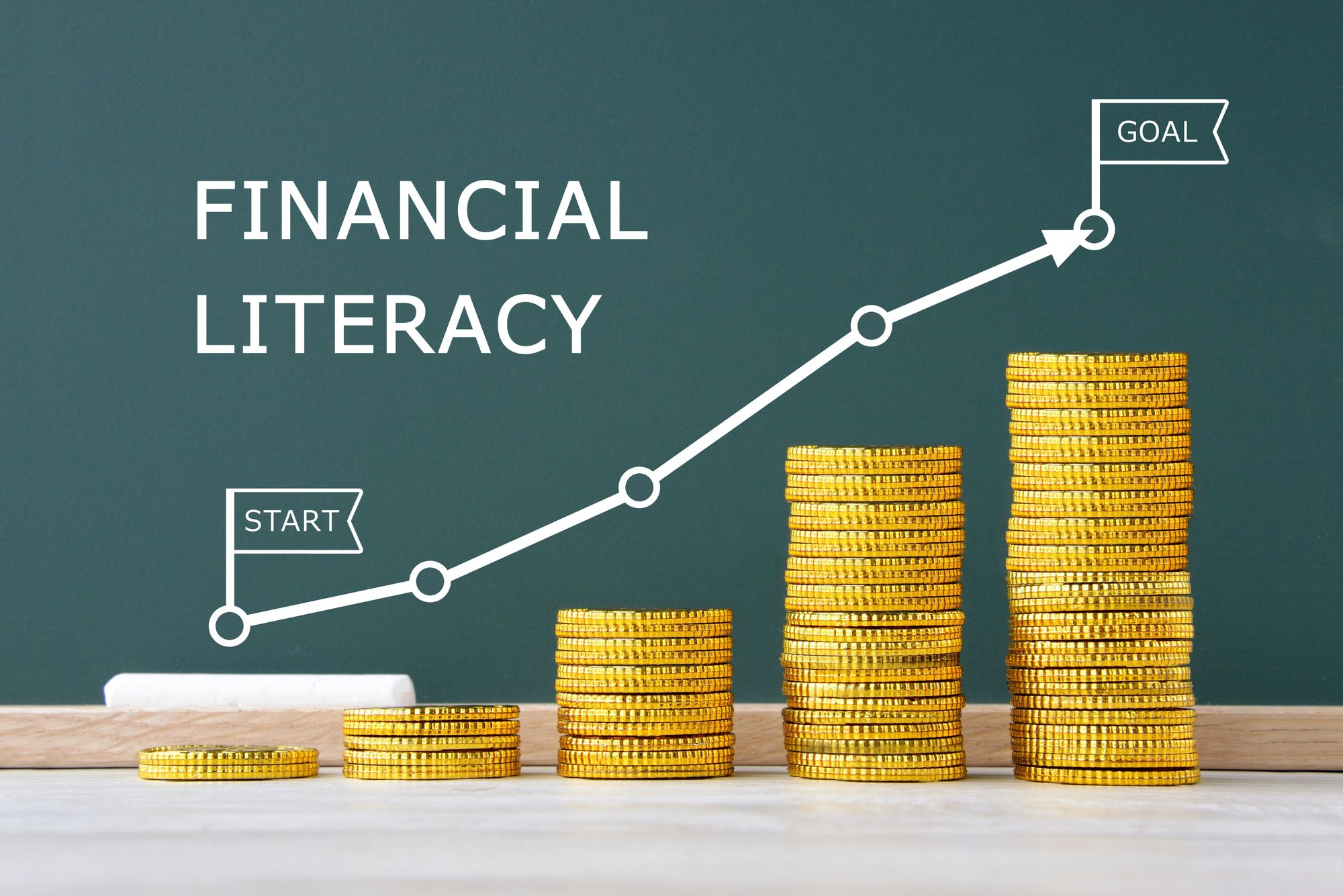
According to National Review, there is a trend in American education in which an increasing number of schools are offering personal finance courses. In the 2019–2020 academic year, only 18 percent of high school students were required to complete such a course in order to graduate. In 2023–2024, this figure increased to 27 percent, representing a 50 percent rise. In addition, 16 percent of students are introduced to personal finance topics through other required subjects, while 37 percent have the option to take this subject as an elective.
These courses cover topics encountered in everyday life. They include saving (managing bank accounts and calculating interest), investing (the relationship between risk and return, diversification, stocks, bonds, mutual funds, and exchange-traded funds), credit (loans, credit cards, and debt reduction), risk management (types and purposes of insurance, including life, automobile, and property insurance), and retirement planning.
If children learn about these topics at all, they mostly do so from their parents. However, parents themselves may not be sufficiently knowledgeable about financial matters. Many adults make incorrect economic decisions not only because of miscalculations, but also because they do not fully understand what they are purchasing or committing to. Evening courses for adults, which cover the same subjects in a more advanced manner, have also become more common.
Personal finance courses have also begun to be offered at colleges and universities, primarily as elective subjects. In addition, numerous higher education programs have been established to train certified financial planners. By 2025, the CFP Board had accredited 366 such programs.
More than two-thirds of U.S. states require personal finance courses in secondary schools, while other states are considering or are expected to introduce such requirements in the near future. Implementing such programs involves certain cost considerations. Unlike many other subjects, personal finance courses do not require expensive textbooks. Banks, insurance companies, and government agencies, including consumer protection offices, provide schools with free or low-cost materials and may also organize workshops for teachers. Apart from teacher training, these courses generally involve minimal budgetary impact.
Although the introduction of personal finance courses raises questions about their effectiveness, discussions continue regarding their impact. Do these courses increase students’ knowledge, and do they influence financial behavior? A 2020 meta-analysis of 76 randomized studies involving more than 160,000 participants found that financial education programs, on average, affect both financial knowledge and subsequent financial behaviors.
Critics have also expressed concerns. One criticism from the political left argues that personal finance courses “place responsibility on individuals for systemic problems and reinforce the assumption that the capitalist political economy functions as a meritocracy, implying that exploited and oppressed groups lack knowledge, intelligence, morality, or discipline.”
This perspective does not reflect the stated purpose of these courses. Personal finance classes are applied rather than theoretical. They are not courses in microeconomics, which examine the behavior of individuals, households, and businesses, nor are they courses in macroeconomics, which focus on the economy of a country or a group of countries. Regardless of broader economic policy debates, individuals and families require basic financial knowledge in order to manage their personal finances.
Share
Applying to KAUST - Your Complete Guide for Masters & Ph.D. Programs (Upcoming Admissions)
Admissions Overview & Key Requirements

An mRNA cancer vaccine may offer long-term protection
A small clinical trial suggests the treatment could help keep pancreatic cancer from returning

Registration Opens for SAF 2025: International STEAM Azerbaijan Festival Welcomes Global Youth
The International STEAM Azerbaijan Festival (SAF) has officially opened registration for its 2025 edition!
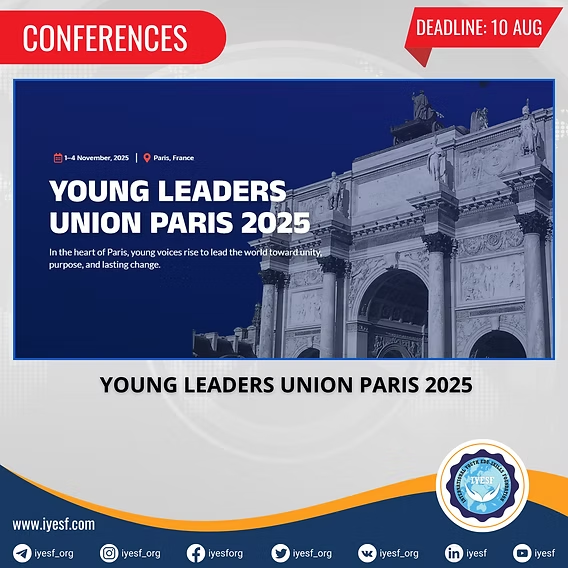
Young Leaders Union Conference 2025 in Paris (Fully Funded)
Join Global Changemakers in Paris! Fully Funded International Conference for Students, Professionals, and Social Leaders from All Nationalities and Fields

Yer yürəsinin daxili nüvəsində struktur dəyişiklikləri aşkar edilib
bu nəzəriyyənin doğru olmadığı məlum olub. Seismik dalğalar vasitəsilə aparılan tədqiqatda daxili nüvənin səthindəki dəyişikliklərə dair qeyri-adi məlumatlar əldə edilib.

Lester B Pearson Scholarship 2026 in Canada (Fully Funded)
Applications are now open for the Lester B Pearson Scholarship 2026 at the University of Toronto!