Applying to KAUST - Your Complete Guide for Masters & Ph.D. Programs (Upcoming Admissions)
Admissions Overview & Key Requirements

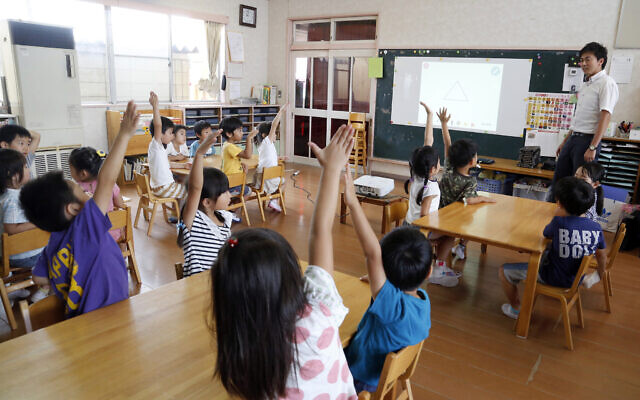
On the 19th, a special subcommittee of the Central Council for Education approved a draft summary of issues for the next curriculum guidelines. A central feature of the proposal is the introduction of a “Flexible Class Time System,” which would give schools freedom in how they allocate compulsory education hours.The pilot program is planned to be implemented in a maximum of around five schools per prefecture and designated city. Currently, a similar system has been introduced in around 50 schools as an exception.
Under the plan, schools could increase or decrease class hours and use the time more freely—for example, to strengthen core subjects, introduce new courses, or provide more inquiry-based learning opportunities. The goal is to "create room for teachers' work and children's learning, and to contribute to the improvement of the quality of education."
While similar systems already exist, such as the "Special Education School System" (which allows for the creation of new subjects) and the "Special Class Time School System" (which allows for a reduction of standard class hours for each subject, up to a 10% limit, while maintaining the overall total), there are restrictions on their usage, and they require a great deal of time and effort for application.
By contrast, the new framework is designed to be a standing option available to all schools without the need for national approval.
At the high school level, discussions are also under way to make the credit system more flexible. Possible changes include subdividing annual credits to allow semester-based certification and permitting students who have already mastered a required subject to opt out or transfer credits to other courses.
For private schools, the reform could mark a major shift. Until now, many have built their reputation by adding extra hours to the standard curriculum—offering “standard hours + α” in areas such as college prep, English, ICT, and research-based learning. The new approach will emphasize curriculum design ability—how well schools tailor programs to their educational goals and student needs—rather than the sheer number of class hours offered.
Overall, the proposed reform signals a move toward a student-centered, flexible model of education, prioritizing the effectiveness and quality of learning over simply expanding classroom time.
Share
Applying to KAUST - Your Complete Guide for Masters & Ph.D. Programs (Upcoming Admissions)
Admissions Overview & Key Requirements

An mRNA cancer vaccine may offer long-term protection
A small clinical trial suggests the treatment could help keep pancreatic cancer from returning

Registration Opens for SAF 2025: International STEAM Azerbaijan Festival Welcomes Global Youth
The International STEAM Azerbaijan Festival (SAF) has officially opened registration for its 2025 edition!
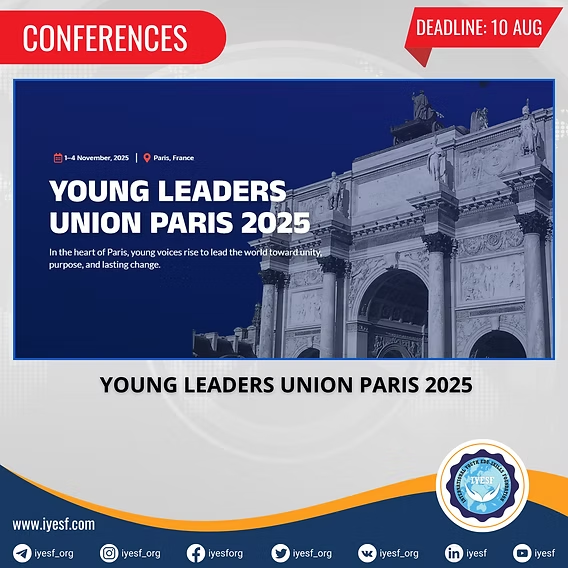
Young Leaders Union Conference 2025 in Paris (Fully Funded)
Join Global Changemakers in Paris! Fully Funded International Conference for Students, Professionals, and Social Leaders from All Nationalities and Fields

Yer yürəsinin daxili nüvəsində struktur dəyişiklikləri aşkar edilib
bu nəzəriyyənin doğru olmadığı məlum olub. Seismik dalğalar vasitəsilə aparılan tədqiqatda daxili nüvənin səthindəki dəyişikliklərə dair qeyri-adi məlumatlar əldə edilib.

Lester B Pearson Scholarship 2026 in Canada (Fully Funded)
Applications are now open for the Lester B Pearson Scholarship 2026 at the University of Toronto!