Applying to KAUST - Your Complete Guide for Masters & Ph.D. Programs (Upcoming Admissions)
Admissions Overview & Key Requirements

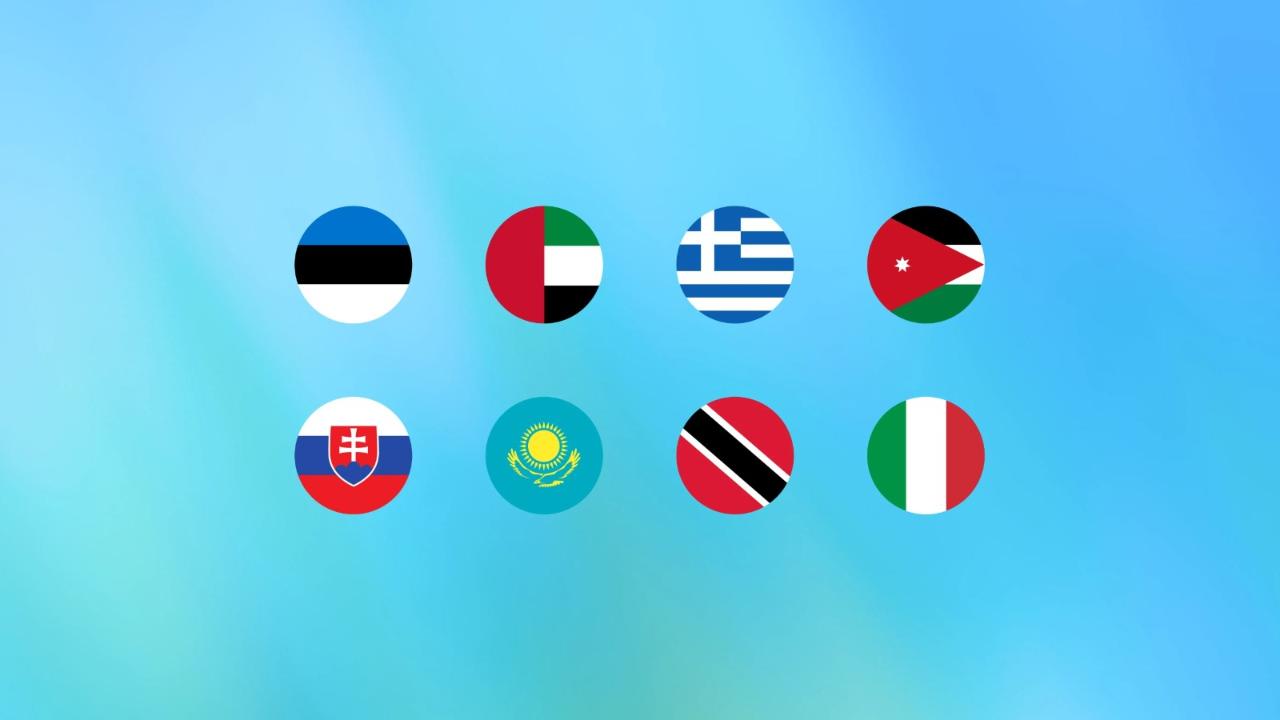
OpenAI has announced the launch of the first international cohort of the Edu for Countries initiative as part of its global OpenAI for Countries program. The first wave of participating countries includes Estonia, Singapore, the United Arab Emirates, Jordan, Greece, and Kazakhstan.
Kazakhstan's inclusion in this initiative marks the beginning of the systemic implementation of ChatGPT Edu, a specialized educational version of artificial intelligence, into the national education system. Kazakhstan has become the first country in Central Asia to join this international program.
Participation in Edu for Countries holds strategic importance for the nation's educational policy. Amid global discussions regarding the impact of AI on learning, Kazakhstan maintains the position that AI does not replace the teacher but rather enhances their professional capabilities. The use of ChatGPT Edu is aimed at reducing the administrative and methodological workload on educators and creating conditions for higher quality, personalized learning.
The project is being implemented under agreements reached following a Memorandum of Cooperation signed on November 6, 2025, during the Head of State’s visit to the USA. The primary contract was concluded between OpenAI, Inc., Freedom Holding Corp., and regional partner Bilim Group. The project is funded by private means without the use of the state budget or external grants, highlighting the strong support of the business community.
"Kazakhstan joining the first international cohort of Edu for Countries occurs during the Year of Artificial Intelligence and Digitalization, reflecting our systemic approach to implementing AI in key sectors. We view ChatGPT Edu as a practical tool for supporting educators and developing the research environment. The program is implemented taking into account national educational standards, safety requirements, and the principle of equal access," noted Zhaslan Madiyev, Deputy Prime Minister and Minister of AI and Digital Development of the RK.
As part of the ChatGPT Edu rollout in Kazakhstan, 165,000 free licenses will be provided to educational organizations, including:
"We view the partnership with OpenAI as a unique project that will lay the foundation for the education model of the future... AI is not a replacement for humans, but a tool that strengthens thinking when combined with critical understanding and a culture of use," emphasized Sayasat Nurbek, Minister of Science and Higher Education of the RK. “We are not preparing users of artificial intelligence—we are preparing its creators.”
ChatGPT Edu provides educators with tools to prepare lesson materials, assignments, and tests, adapt content to student levels, and create materials in Kazakh, Russian, and English. While the system can help form criteria and feedback for grading, all final evaluation decisions remain the responsibility of the teacher.
Starting in January 2026, regular training sessions will be organized with OpenAI specialists to ensure a unified approach and improve AI literacy among teachers. Educational organizations will be provided with a dedicated, secure workspace ensuring compliance with Kazakhstan's laws on information security and personal data protection.
Valeriya Tyo, Managing Director of Astana Hub, highlighted that this access will expand opportunities for students in programs like Tomorrow School and Tech Orda, helping them develop AI competencies in practice.
International experience with ChatGPT Edu in leading institutions shows increased student engagement and optimized teacher time. These results will guide the phased implementation of the technology across Kazakhstan’s educational system.
Share
Applying to KAUST - Your Complete Guide for Masters & Ph.D. Programs (Upcoming Admissions)
Admissions Overview & Key Requirements

An mRNA cancer vaccine may offer long-term protection
A small clinical trial suggests the treatment could help keep pancreatic cancer from returning

Registration Opens for SAF 2025: International STEAM Azerbaijan Festival Welcomes Global Youth
The International STEAM Azerbaijan Festival (SAF) has officially opened registration for its 2025 edition!
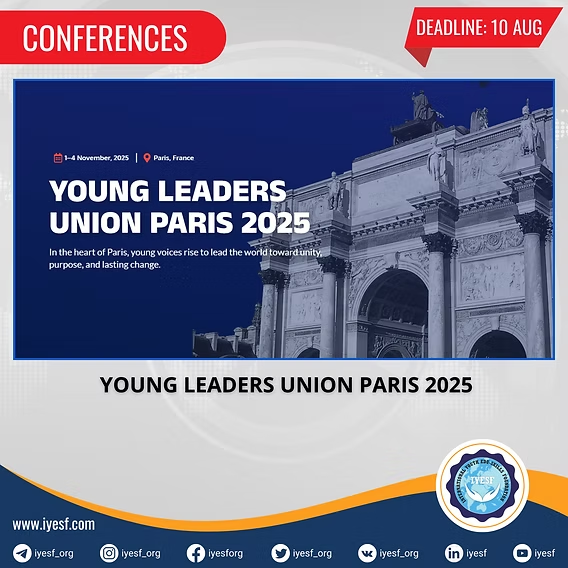
Young Leaders Union Conference 2025 in Paris (Fully Funded)
Join Global Changemakers in Paris! Fully Funded International Conference for Students, Professionals, and Social Leaders from All Nationalities and Fields

Yer yürəsinin daxili nüvəsində struktur dəyişiklikləri aşkar edilib
bu nəzəriyyənin doğru olmadığı məlum olub. Seismik dalğalar vasitəsilə aparılan tədqiqatda daxili nüvənin səthindəki dəyişikliklərə dair qeyri-adi məlumatlar əldə edilib.

Lester B Pearson Scholarship 2026 in Canada (Fully Funded)
Applications are now open for the Lester B Pearson Scholarship 2026 at the University of Toronto!