Applying to KAUST - Your Complete Guide for Masters & Ph.D. Programs (Upcoming Admissions)
Admissions Overview & Key Requirements

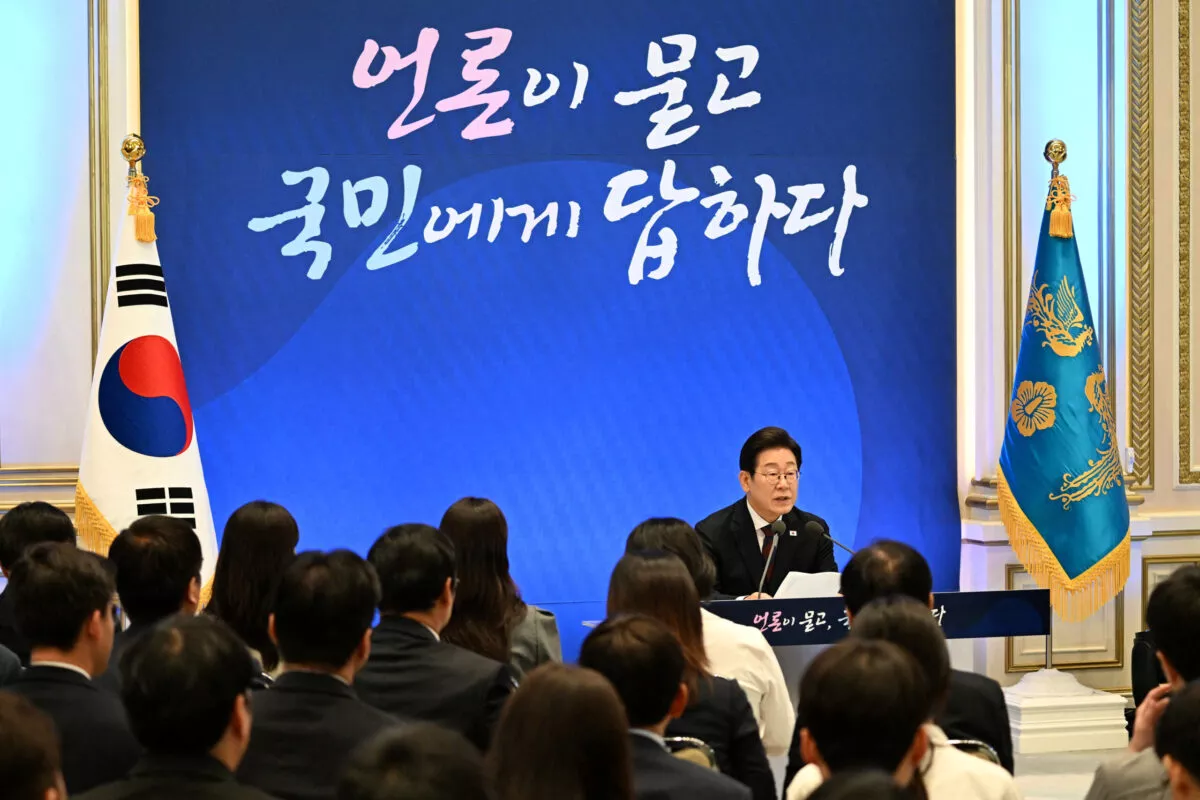
Seoul Metropolitan Education Superintendent Jung Geun-sik makes a heart over his head early morning on Thrusday at his campaign office in Jongno-gu, Seoul, as he is declared the winner in the city's election for education chief/ File: East Asia Forum
According to The Korea Herald, the election results mark a significant comeback for progressive education leaders, whose representation had fallen in the previous local elections. Their number has now increased from nine to 11, giving them control of the majority of regional education offices across the country.
In Seoul, incumbent Superintendent Jung Geun-sik secured a second term after receiving 30.56 percent of the vote. Conservative candidate Cho Chun-hyuk finished second with 23.22 percent, while another conservative contender, Yoon Ho-sang, came in third. Political observers noted that the conservative vote may have been divided between multiple candidates.
Progressive candidates also achieved victories in several regions that had elected conservative superintendents four years ago, including Gyeonggi Province, Gangwon Province and Jeju Island. The defeats of several conservative incumbents were seen as particularly notable, as sitting superintendents traditionally enjoy an advantage due to greater public recognition.
Analysts say the results could lead to renewed momentum for progressive education reforms. These include expanding student rights, strengthening democratic citizenship education and gradually converting autonomous private and foreign-language high schools into regular public schools. The outcome is also expected to increase cooperation among progressive education leaders nationwide, potentially giving them a stronger voice in discussions with the Education Ministry on future reforms.
With progressives now holding a clear majority of superintendent positions, South Korea’s education policy is likely to move in a more liberal direction over the coming years.
Share
Applying to KAUST - Your Complete Guide for Masters & Ph.D. Programs (Upcoming Admissions)
Admissions Overview & Key Requirements

An mRNA cancer vaccine may offer long-term protection
A small clinical trial suggests the treatment could help keep pancreatic cancer from returning

Registration Opens for SAF 2025: International STEAM Azerbaijan Festival Welcomes Global Youth
The International STEAM Azerbaijan Festival (SAF) has officially opened registration for its 2025 edition!
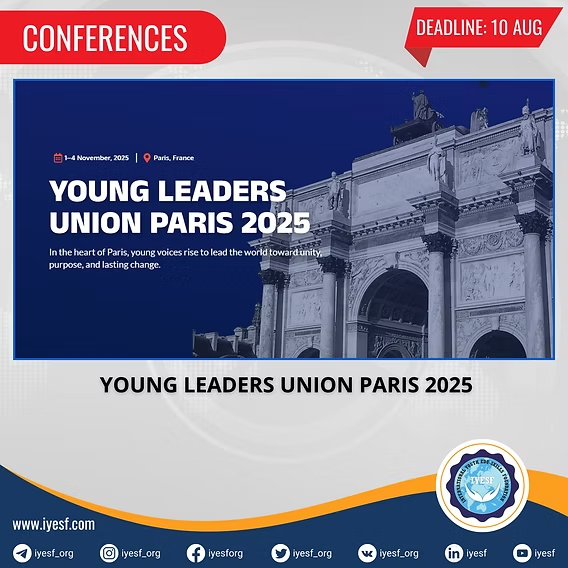
Young Leaders Union Conference 2025 in Paris (Fully Funded)
Join Global Changemakers in Paris! Fully Funded International Conference for Students, Professionals, and Social Leaders from All Nationalities and Fields

Yer yürəsinin daxili nüvəsində struktur dəyişiklikləri aşkar edilib
bu nəzəriyyənin doğru olmadığı məlum olub. Seismik dalğalar vasitəsilə aparılan tədqiqatda daxili nüvənin səthindəki dəyişikliklərə dair qeyri-adi məlumatlar əldə edilib.

Lester B Pearson Scholarship 2026 in Canada (Fully Funded)
Applications are now open for the Lester B Pearson Scholarship 2026 at the University of Toronto!