Applying to KAUST - Your Complete Guide for Masters & Ph.D. Programs (Upcoming Admissions)
Admissions Overview & Key Requirements

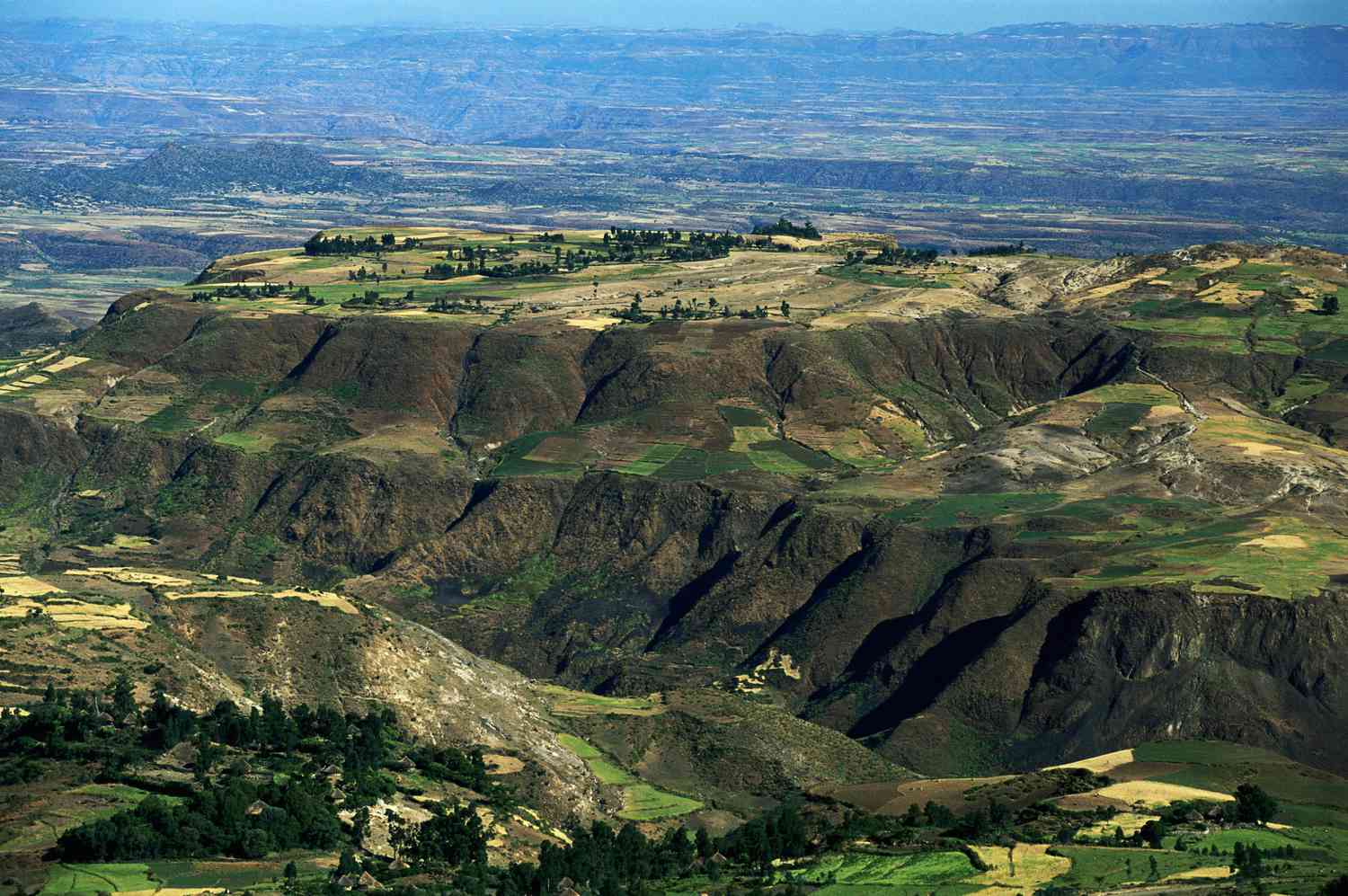
The Great Rift Valley. File: Thought Co.
Researchers examined helium and carbon gases from geothermal springs in the Kafue Rift located in Central Africa. They found changes in the gases that suggest the crack in the Earth has reached from the crust down to the mantle. This enables gases and liquids from deep within the Earth to ascend to the surface. Gases emitted from hot springs could indicate the initial signs of a new tectonic plate boundary development.
The Kafue Rift belongs to the Southwest African Rift System, a large crack extending from Tanzania to Namibia. If this rift continues to expand, it may ultimately form a new plate boundary that divides Africa into two sections.
The Kafue Rift is a segment of a rift zone that extends 2,500 kilometers from Tanzania to Namibia, potentially linking to the Mid-Atlantic Ridge. Researchers showed interest in this region due to the land's structure, unique geothermal activity, and hot springs indicating that a new rift might be developing. To demonstrate this, they required proof that the fissure had penetrated the Earth’s crust, permitting fluids from the mantle deep within the Earth to ascend to the surface.
The finding that the Kafue Rift is active may have significant economic implications. Youthful rift zones can yield geothermal energy and essential gases such as helium and hydrogen, which are simpler to capture there since they are not combined with volcanic gases. This finding could significantly influence the future geography of Africa because the expanding rift might ultimately contribute to dividing the continent.
Share
Applying to KAUST - Your Complete Guide for Masters & Ph.D. Programs (Upcoming Admissions)
Admissions Overview & Key Requirements

An mRNA cancer vaccine may offer long-term protection
A small clinical trial suggests the treatment could help keep pancreatic cancer from returning

Registration Opens for SAF 2025: International STEAM Azerbaijan Festival Welcomes Global Youth
The International STEAM Azerbaijan Festival (SAF) has officially opened registration for its 2025 edition!
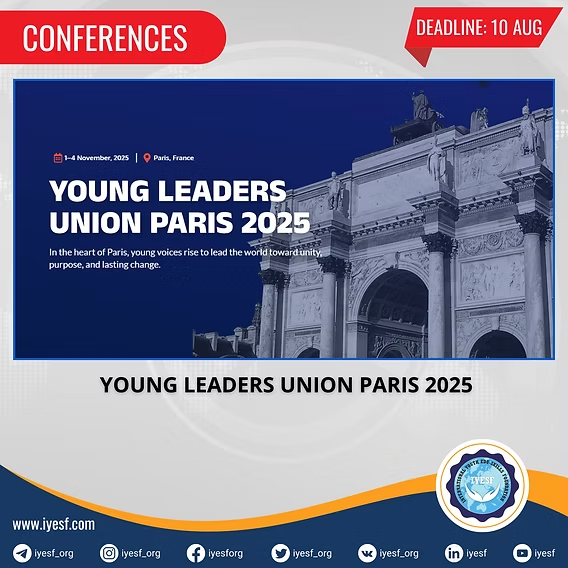
Young Leaders Union Conference 2025 in Paris (Fully Funded)
Join Global Changemakers in Paris! Fully Funded International Conference for Students, Professionals, and Social Leaders from All Nationalities and Fields

Yer yürəsinin daxili nüvəsində struktur dəyişiklikləri aşkar edilib
bu nəzəriyyənin doğru olmadığı məlum olub. Seismik dalğalar vasitəsilə aparılan tədqiqatda daxili nüvənin səthindəki dəyişikliklərə dair qeyri-adi məlumatlar əldə edilib.

Lester B Pearson Scholarship 2026 in Canada (Fully Funded)
Applications are now open for the Lester B Pearson Scholarship 2026 at the University of Toronto!