Applying to KAUST - Your Complete Guide for Masters & Ph.D. Programs (Upcoming Admissions)
Admissions Overview & Key Requirements

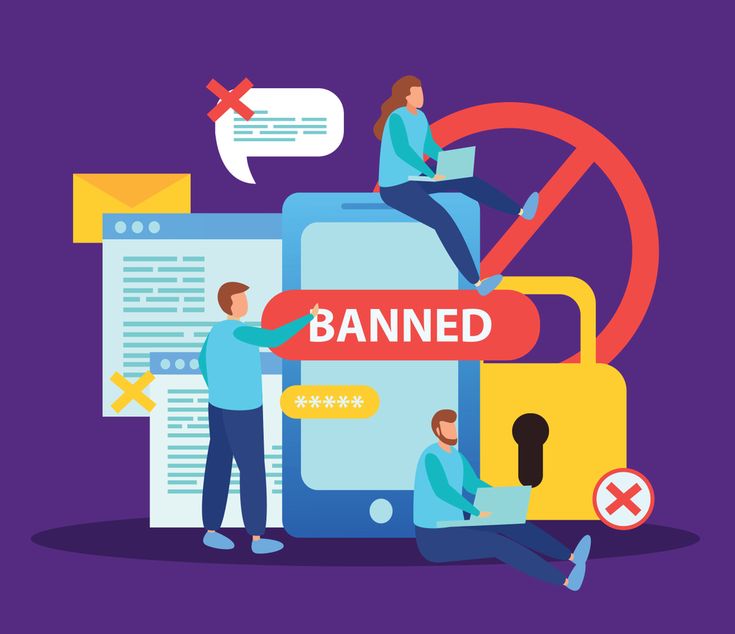
The global trend of bans is expanding
Governments around the world are taking harsh steps, believing that social media is causing "social harm" to children:
The main factor driving governments to take these steps is the increase in depression, bullying, and suicide among teenagers. Jonathan Haidt’s book "The Anxious Generation" has sparked global debates on this topic.
According to research, about 7% of children aged 11–15 in Europe and Canada (reaching 14% in Spain) suffer from "social media use disorder." This condition is characterized by sleep loss, skipping school, and losing contact with family.
Why might the bans fail?
Critics and technology managers note that these bans will face several serious obstacles:
Is the danger shifting direction?
Andy Burrows, head of the Molly Rose Foundation, warns that bans do not eliminate criminals; they simply change their location. Children may move to encrypted messaging apps or gaming platforms (like Roblox) where monitoring is much more difficult.
"Are you teaching children how to swim, or are you throwing them into the deep end when they turn 16?" — Katherine Modecki, Australian Child Research Institute.
Conclusion and expectations
The example of China shows that even the strictest "minor modes" and screen time limits are not fully effective. Parents break devices out of desperation, while children find new loopholes like smartwatches.
It seems that while sharp bans are politically popular (supported by the majority according to Ipsos polls), they may not be a realistic solution from a technical or sociological perspective.
This report is based on data and analysis originally published by The Economist
Share
Applying to KAUST - Your Complete Guide for Masters & Ph.D. Programs (Upcoming Admissions)
Admissions Overview & Key Requirements

An mRNA cancer vaccine may offer long-term protection
A small clinical trial suggests the treatment could help keep pancreatic cancer from returning

Registration Opens for SAF 2025: International STEAM Azerbaijan Festival Welcomes Global Youth
The International STEAM Azerbaijan Festival (SAF) has officially opened registration for its 2025 edition!
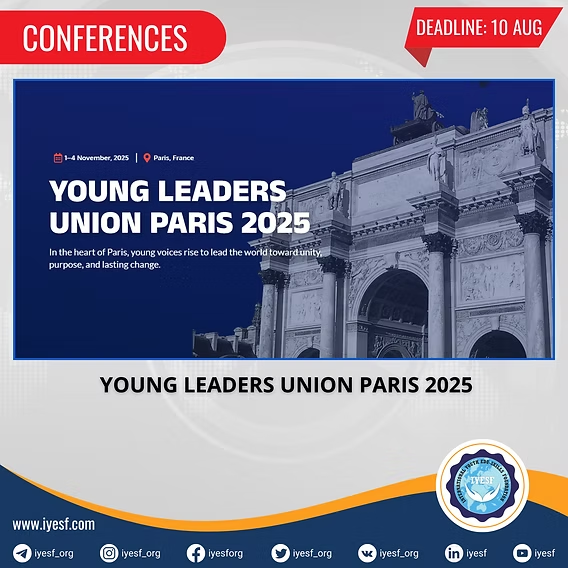
Young Leaders Union Conference 2025 in Paris (Fully Funded)
Join Global Changemakers in Paris! Fully Funded International Conference for Students, Professionals, and Social Leaders from All Nationalities and Fields

Yer yürəsinin daxili nüvəsində struktur dəyişiklikləri aşkar edilib
bu nəzəriyyənin doğru olmadığı məlum olub. Seismik dalğalar vasitəsilə aparılan tədqiqatda daxili nüvənin səthindəki dəyişikliklərə dair qeyri-adi məlumatlar əldə edilib.

Lester B Pearson Scholarship 2026 in Canada (Fully Funded)
Applications are now open for the Lester B Pearson Scholarship 2026 at the University of Toronto!