Applying to KAUST - Your Complete Guide for Masters & Ph.D. Programs (Upcoming Admissions)
Admissions Overview & Key Requirements

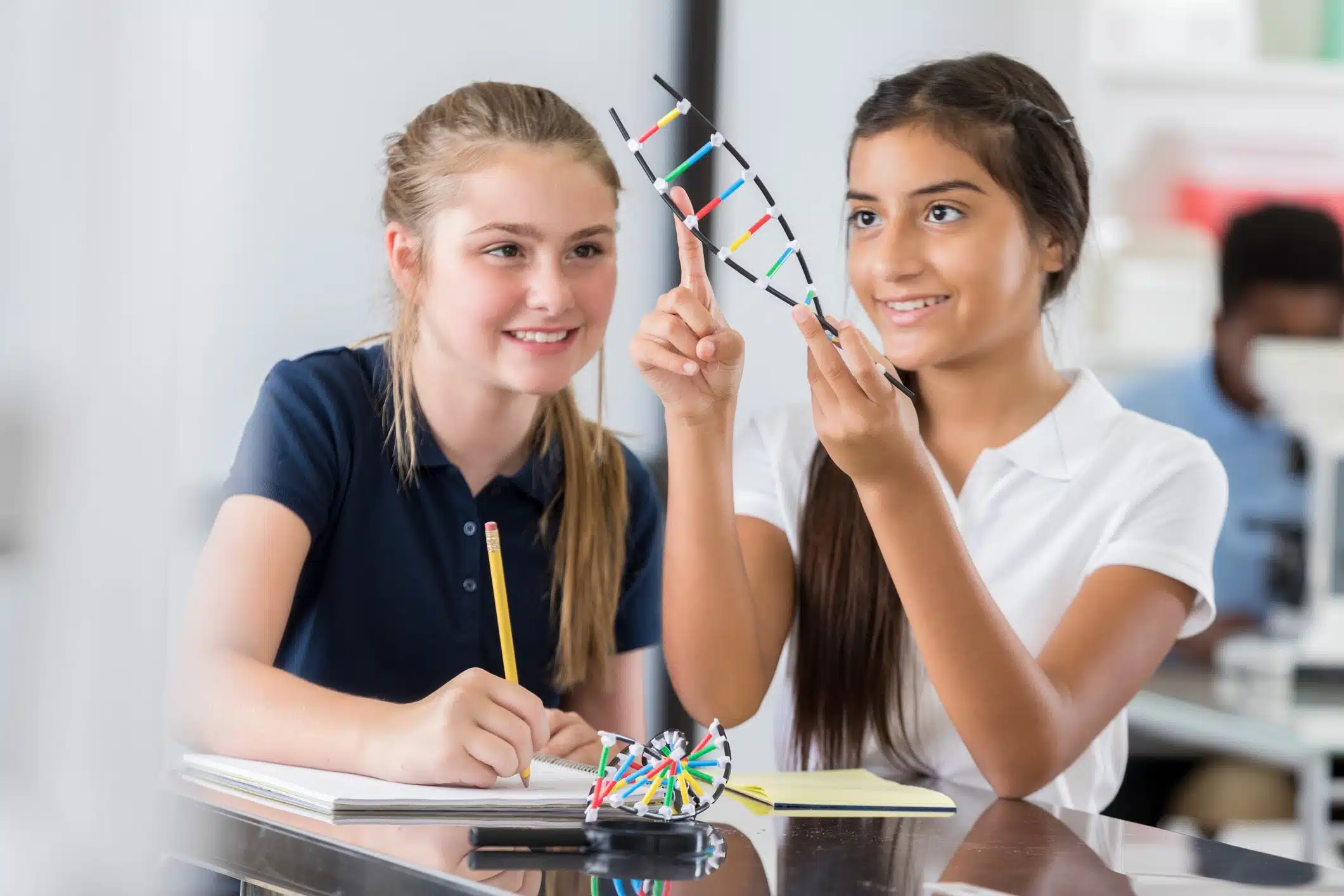
UNESCO’s initiatives focus on providing girls with access to quality STEM education, strengthening teacher training, and increasing the visibility of women scientists. The organization also promotes inclusive education policies and works to break down societal stereotypes.
The International Day of Women and Girls in Science, celebrated annually on 11 February, highlights these issues. Edinah Nyakondi, a biology and chemistry teacher at St. Clare Girls Secondary School in Nyamira County, Kenya, along with her students Bethsebah Jeberio and Clarice Anyango, share their experiences to inspire girls to pursue STEM.
Edinah notes that the main challenge for girls is not lack of ability but lack of confidence. She simplifies complex topics in class and uses her own academic achievements as examples to inspire her students.
Eighteen-year-old Clarice Anyango has a passion for biology and dreams of becoming a doctor. Her interest was nurtured by her grandfather, a professor, who encouraged her to see science as a pathway to opportunity. Clarice believes that more girls entering STEM would increase job opportunities and create a better balance in the workforce.
Edinah adds: “If more women were involved in STEM, the world would be a better place. When students see that women can succeed in scientific careers, they feel inspired to follow the same path.”
Share
Applying to KAUST - Your Complete Guide for Masters & Ph.D. Programs (Upcoming Admissions)
Admissions Overview & Key Requirements

An mRNA cancer vaccine may offer long-term protection
A small clinical trial suggests the treatment could help keep pancreatic cancer from returning

Registration Opens for SAF 2025: International STEAM Azerbaijan Festival Welcomes Global Youth
The International STEAM Azerbaijan Festival (SAF) has officially opened registration for its 2025 edition!
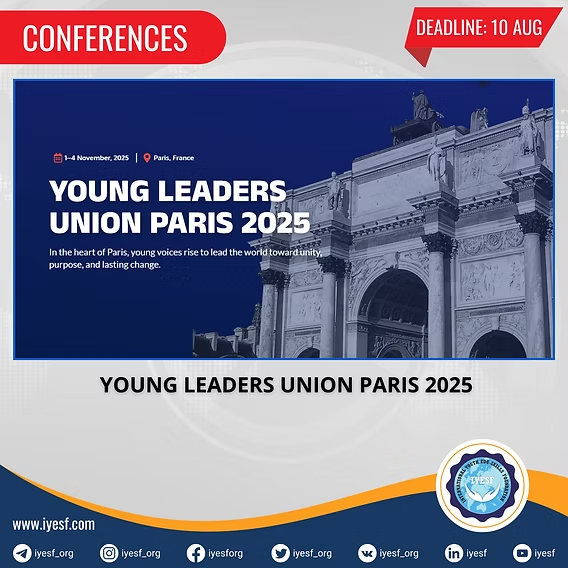
Young Leaders Union Conference 2025 in Paris (Fully Funded)
Join Global Changemakers in Paris! Fully Funded International Conference for Students, Professionals, and Social Leaders from All Nationalities and Fields

Yer yürəsinin daxili nüvəsində struktur dəyişiklikləri aşkar edilib
bu nəzəriyyənin doğru olmadığı məlum olub. Seismik dalğalar vasitəsilə aparılan tədqiqatda daxili nüvənin səthindəki dəyişikliklərə dair qeyri-adi məlumatlar əldə edilib.

Lester B Pearson Scholarship 2026 in Canada (Fully Funded)
Applications are now open for the Lester B Pearson Scholarship 2026 at the University of Toronto!