NASA astronauts will wear Prada
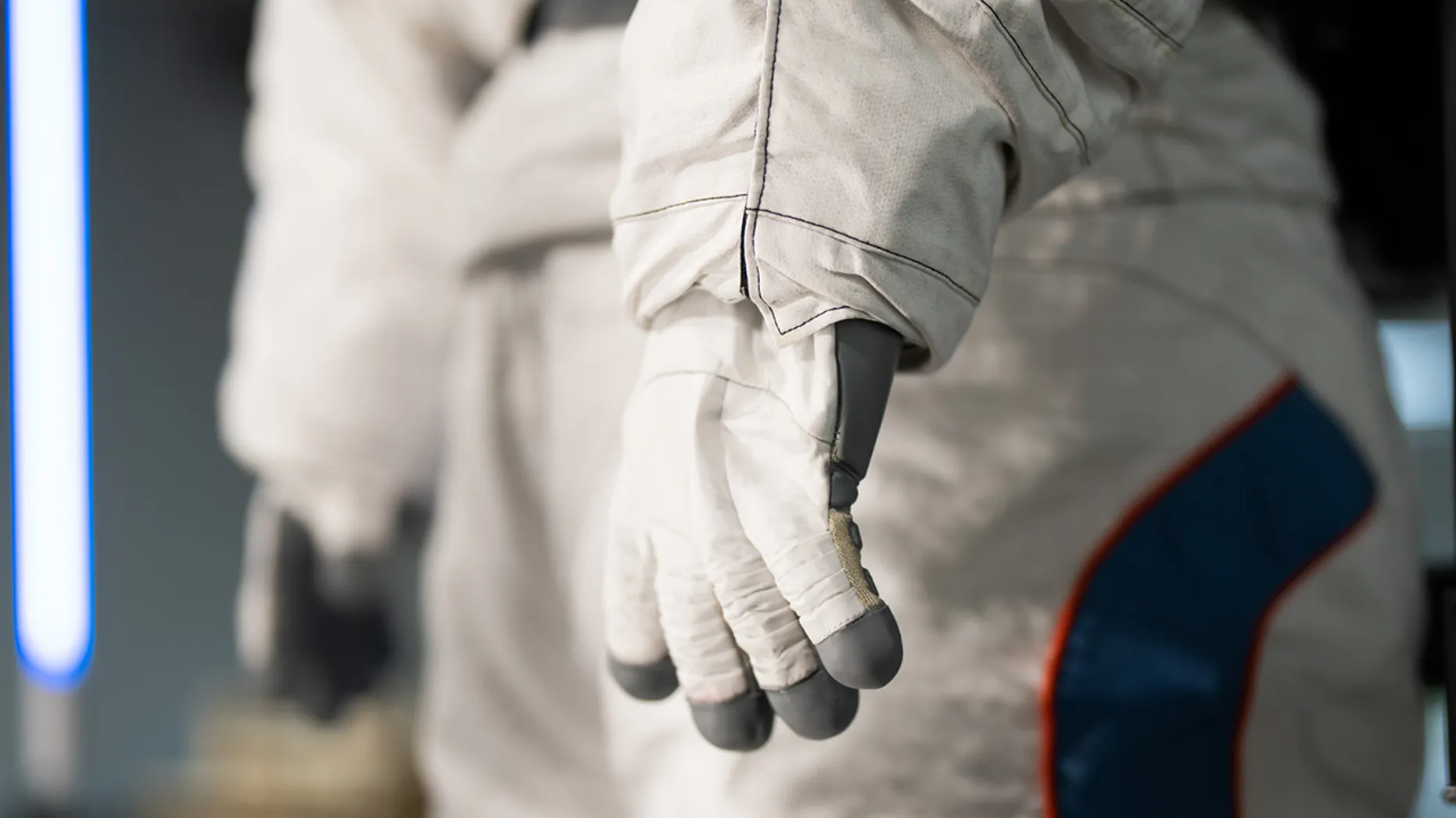
Italian fashion house Prada and aerospace company Axiom Space will collaborate to create a spacesuit scheduled to be worn during NASA's upcoming Artemis IV moon landing mission.


New dinosaur species discovered in China
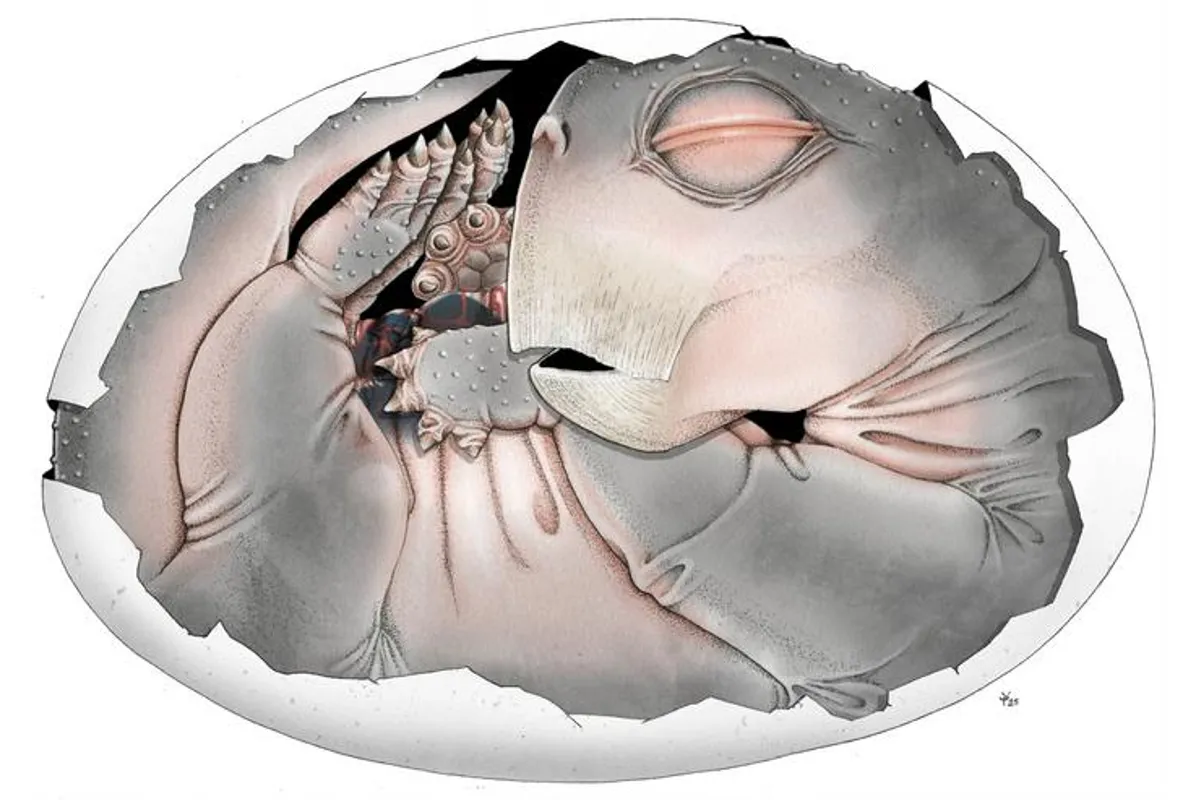
Scientists' understanding of the peculiar group of predatory dinosaurs known as microraptors is being altered because of a 120 million-year-old fossil discovered in what is now northwest China.

Spectacular June sky events: Venus–Jupiter conjunction and rare lunar occultation
In the first half of June, skywatchers can look toward the western horizon shortly after sunset to spot Venus and Jupiter appearing close together. Around June 8–9, the two brightest planets in the evening sky will reach their closest apparent position.
.webp)
Widespread silicone pollutants found in air worldwide raise health and climate concerns
A new international study has revealed that a little-known group of silicone-based chemicals is present in the atmosphere at far higher levels than previously thought, from major cities to remote forests. The findings raise fresh concerns about continuous human exposure and the potential impacts of these pollutants on both health and climate systems.
New quantum algorithm unlocks materials beyond supercomputer limits
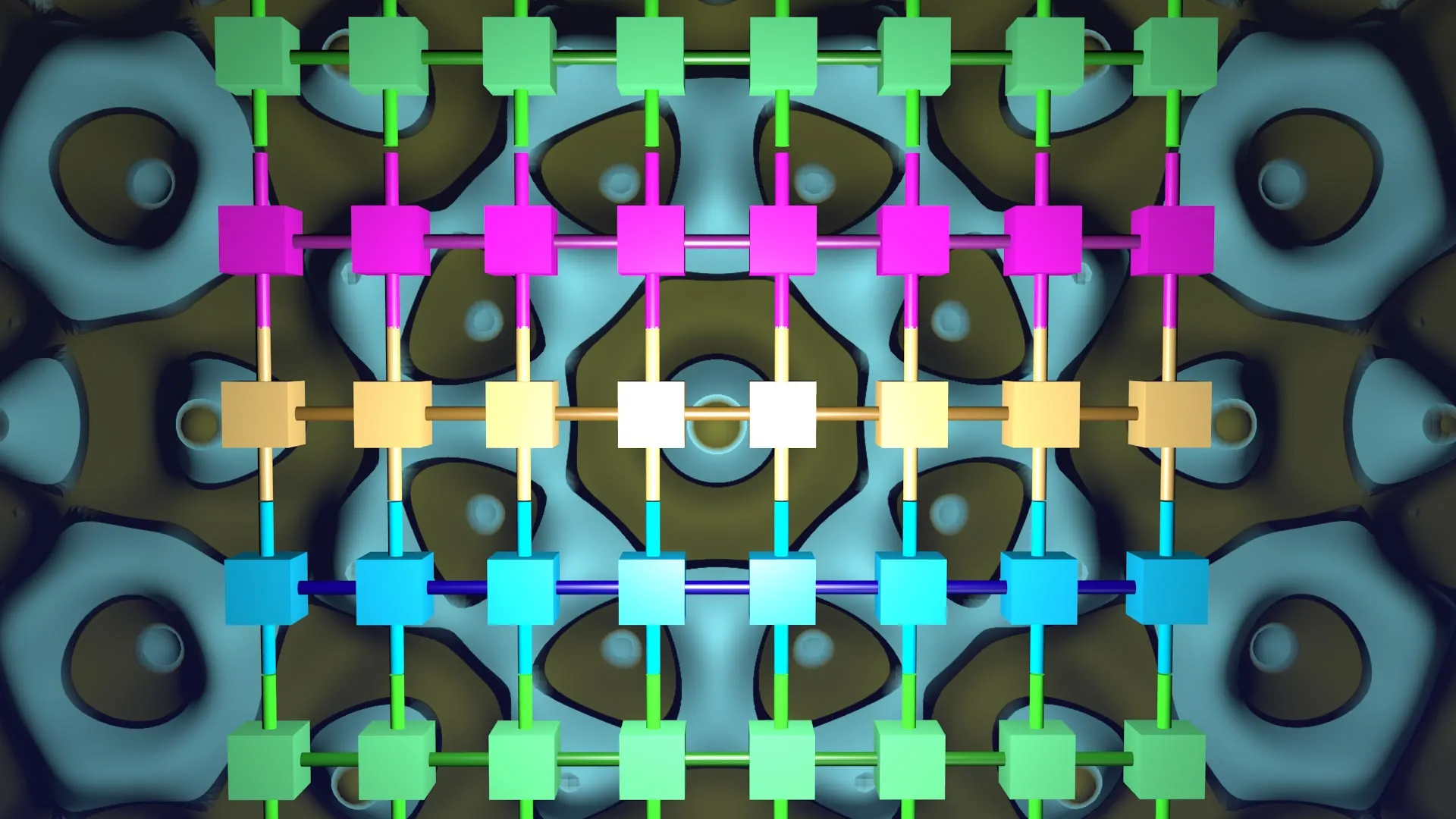
Scientists are closing in on a major breakthrough in how we understand and design exotic quantum materials. A new quantum-inspired algorithm developed at Salto University can model extremely complex structures that were previously far beyond the reach of even the most powerful supercomputers.
Uranus and Neptune could contain rocks
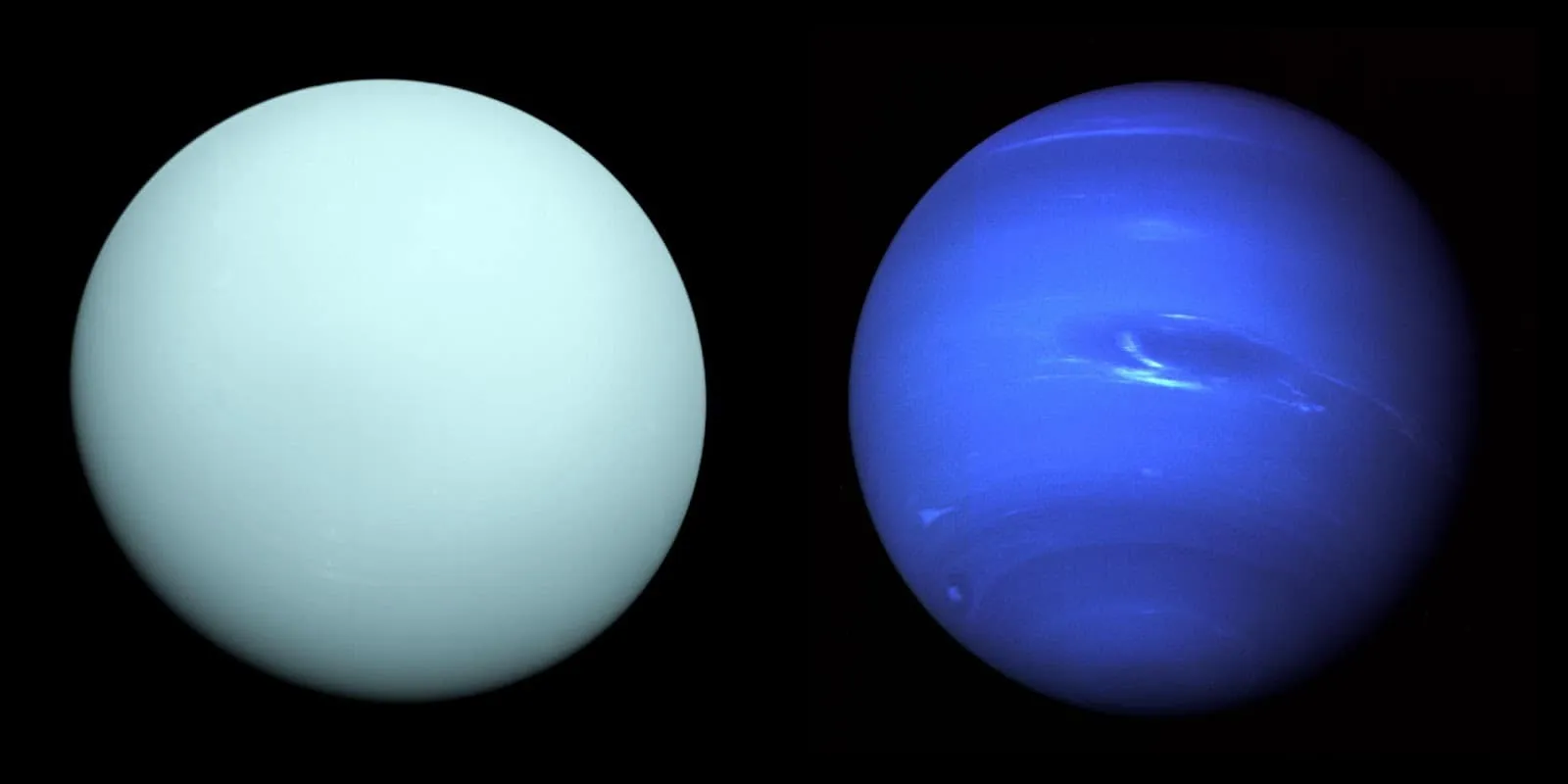
According to a recent study, atmospheres of Uranus and Neptune could be full of rocks.
Scientists predict the creation of a new tectonic plate
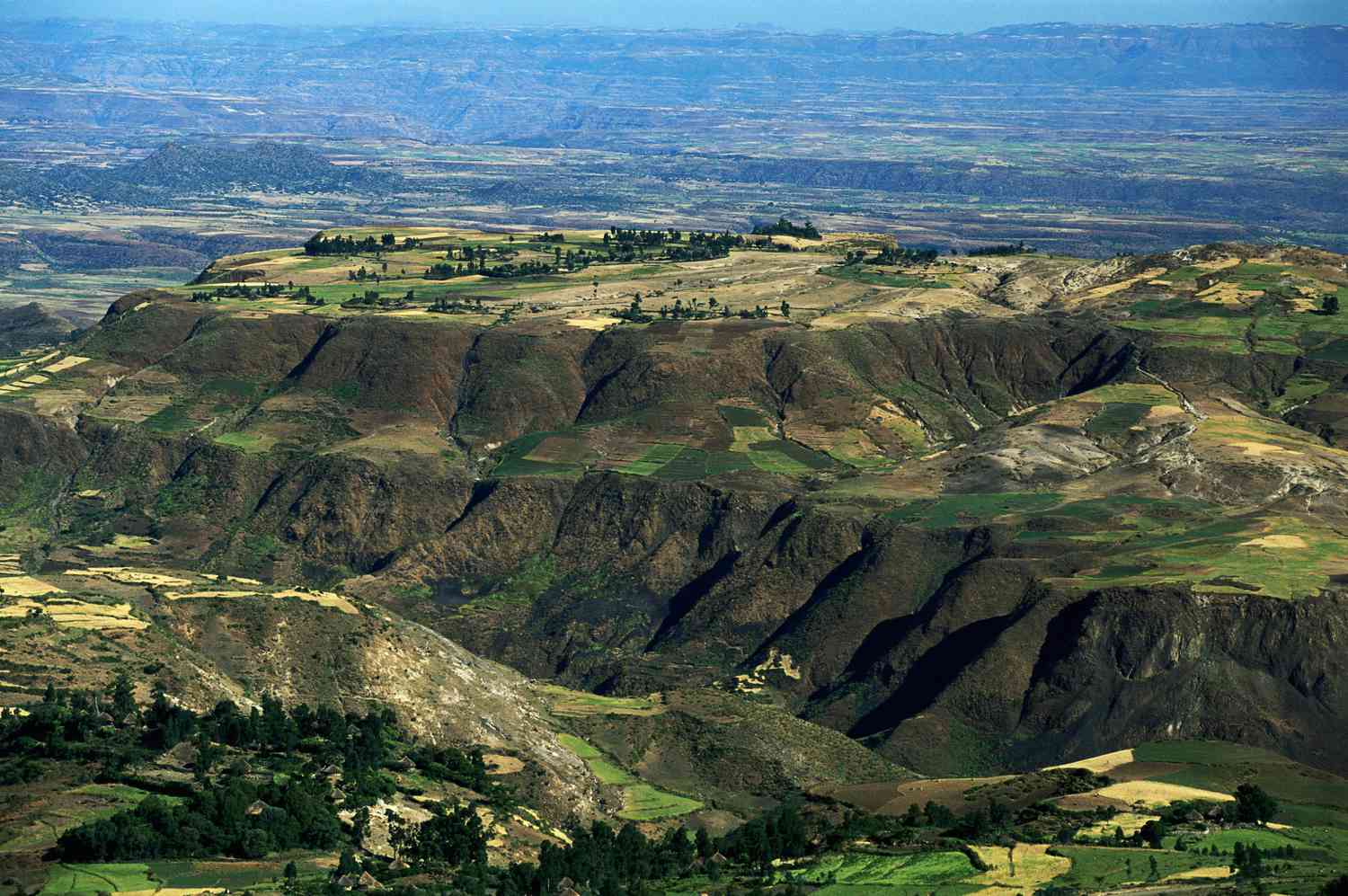
A new continental rift may be emerging, according to isotope study of gas from Zambia's geothermal springs.
100,000 old Ice age creatures' fossils were discovered in Texas cave
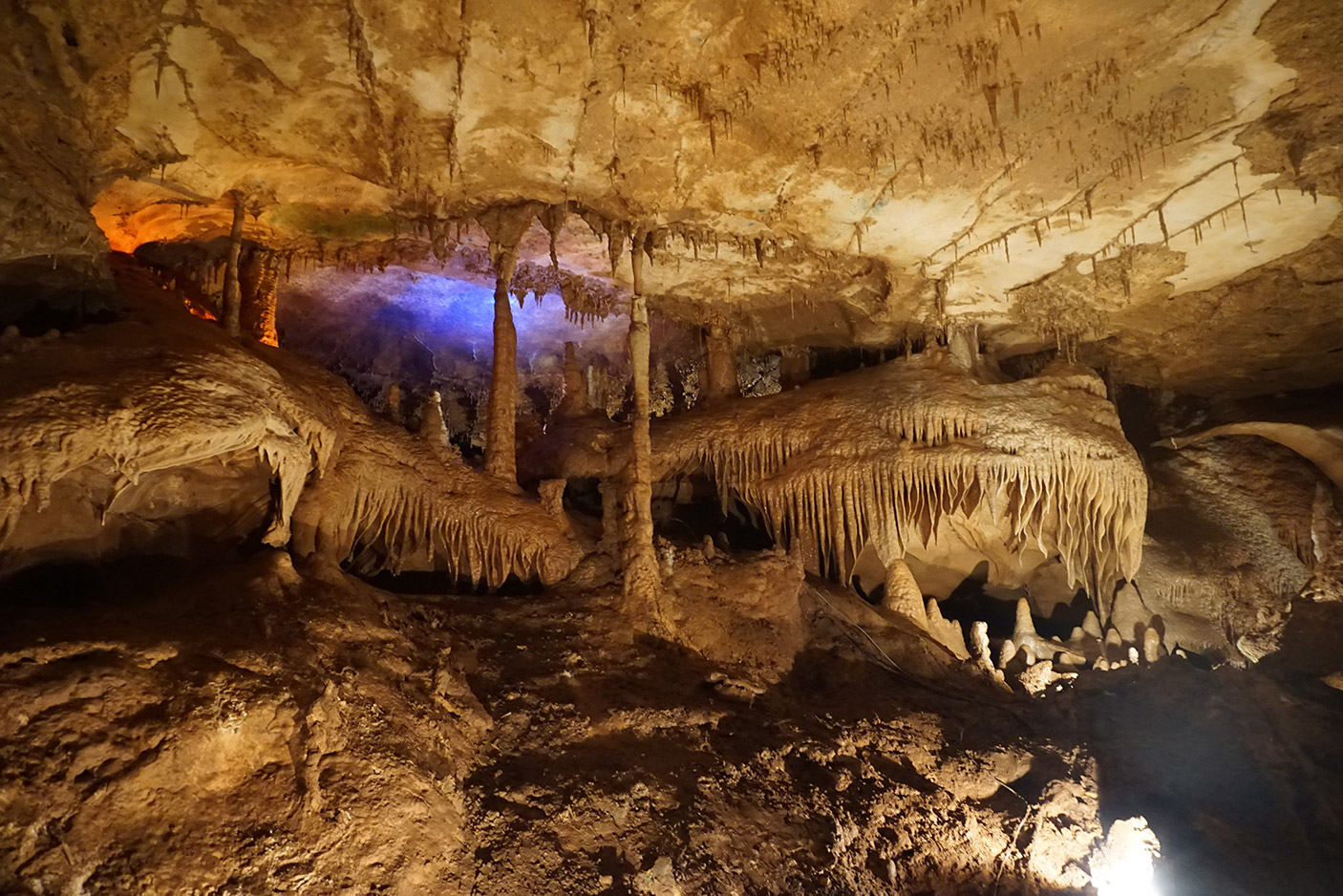
The finding serves as the direct evidence that ice age creatures existed in the region.

Gen Z's attitude towards AI is becoming more and more skeptical
Gen Z are starting to express strong negative feelings towards AI.

Android users are less loyal to the brand
Survey suggests that Android users are more open to change their phone brand, compared to iPhone users.

Quantum systems found to hide memory depending on how they are viewed
Scientists have discovered that quantum systems can appear completely memoryless from one perspective while still retaining hidden memory effects from another, revealing that quantum memory is far more complex and context-dependent than previously understood.

Where is the water going? New study links declining river flows to drier springs
A new study from the University of Washington suggests that declining river flows in snow-fed regions are not only caused by changing snowpack, but also by drier spring conditions that are reshaping how water moves through the environment.
RES 2026 EXPO Exhibition will be held in Astana
An international exhibition about sustainable development will take place in Astana, Kazakhstan.
Artemis II Mission Sets Hope for Future Moon Landing
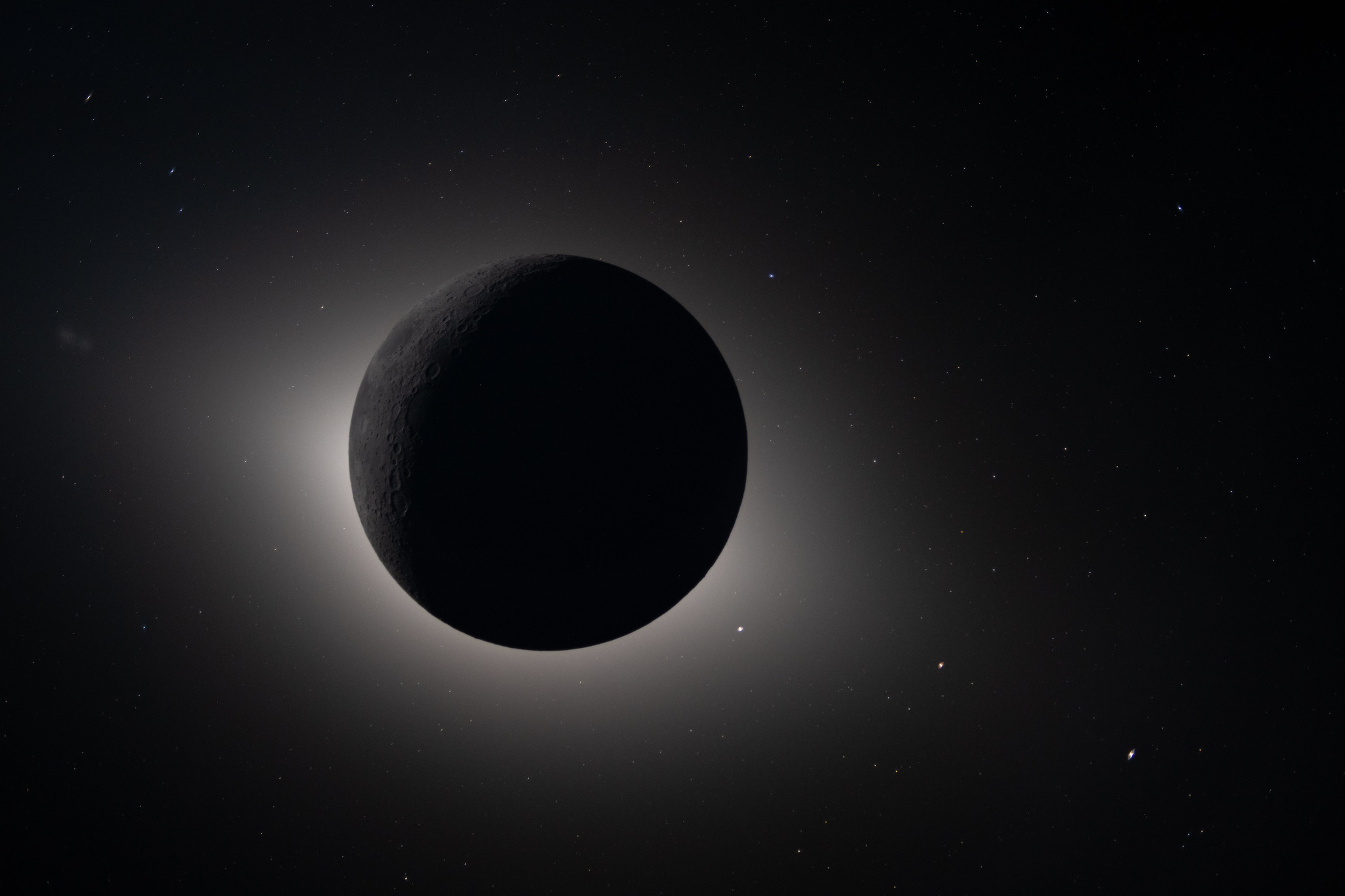
A historic journey beyond 400,000 km showcases Orion’s success and paves the way for humanity’s return to the Moon.

The digital thirst: How AI and data centers are draining global water supplies
As the world faces a shrinking supply of freshwater, the rapid expansion of data centers and AI technology is creating an unprecedented demand on local water sources, forcing a critical re-evaluation of the tech industry’s environmental footprint.
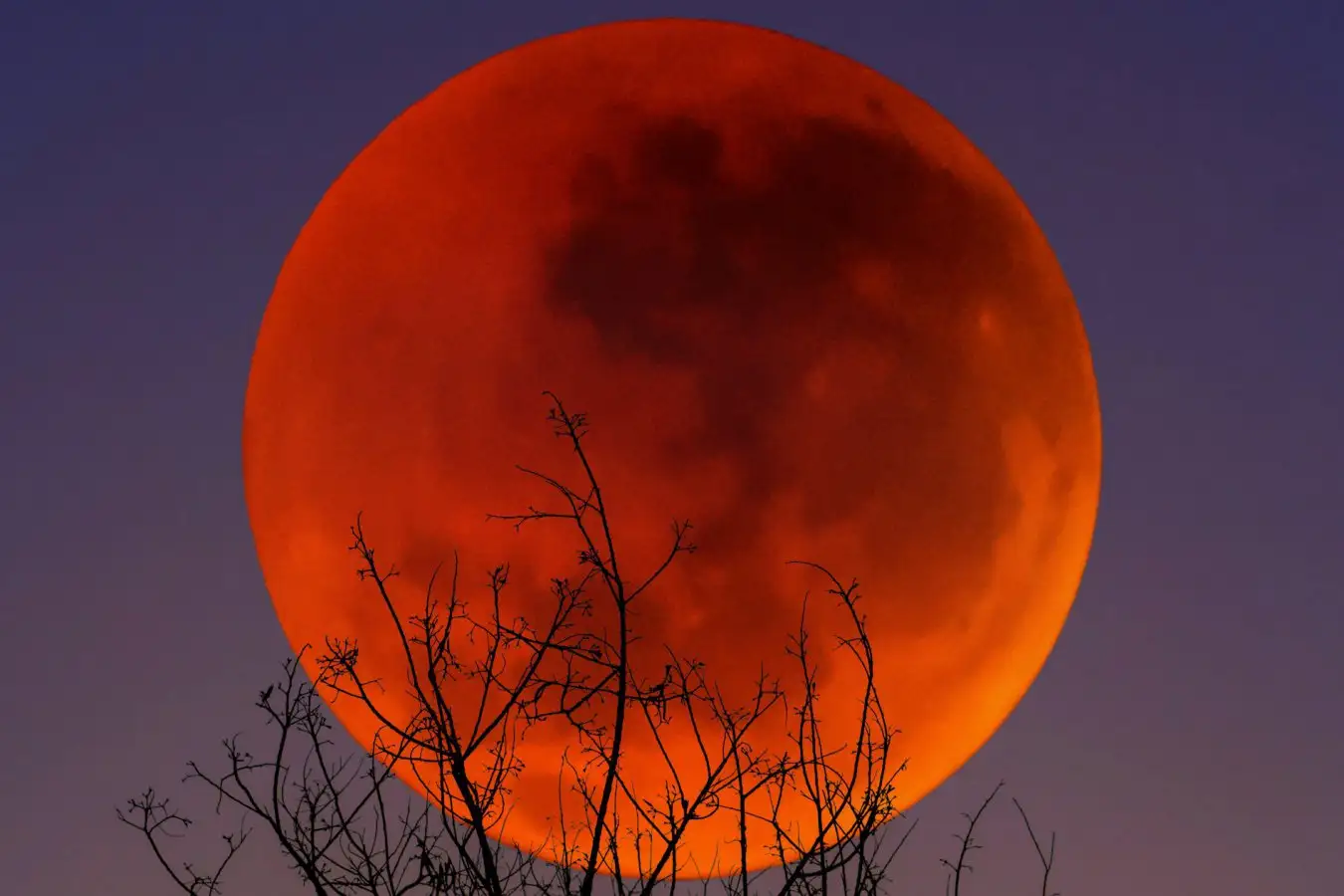
Lunar Eclipse 2026: Why the Moon will appear red
A total lunar eclipse will light up skies across parts of the world on 3 March 2026, with the Moon expected to turn a deep red in a phenomenon widely known as a “Blood Moon.”
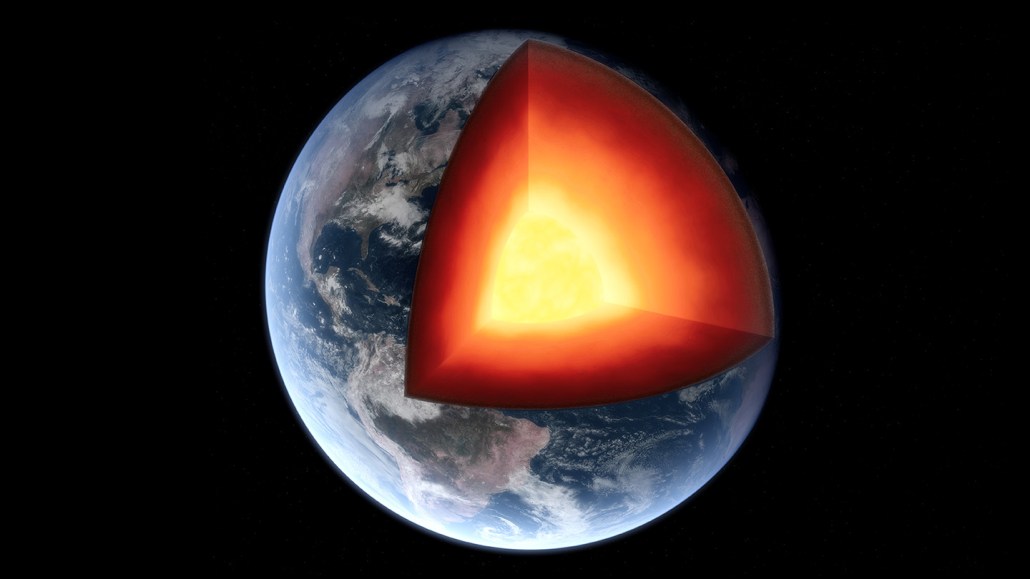
Study suggests Earth’s core may hold massive stores of life-essential hydrogen
Earth’s core could contain vast amounts of hydrogen — potentially equal to dozens of oceans — according to new research, offering fresh insight into how the planet formed and how key ingredients for life were distributed.
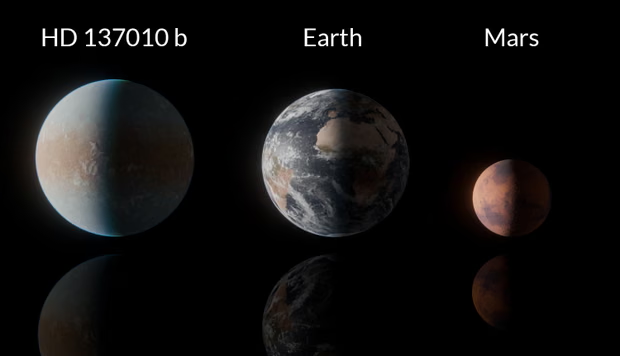
A new habitable planet has been discovered
Astronomers have announced the discovery of a potentially habitable new planet about 146 light-years away that is Earth-sized and has conditions similar to Mars.